Can Dogs Eat Peanut Butter? Xylitol Dangers and Safe Brands
Peanut butter is a popular treat for dogs, especially during training sessions and playtime. However, not every peanut butter product is safe for your furry companion. If you are wondering, Can Dogs Eat Peanut Butter? Xylitol Dangers and Safe Brands is an important topic to understand before sharing this household favorite. Plain peanut butter can be safe for many dogs when offered in moderation. However, certain ingredients can cause serious health problems. Xylitol, a sugar substitute found in some products, is particularly dangerous to dogs. Understanding ingredient labels, portion sizes, and healthier alternatives helps you make informed decisions about your pet’s diet.
Can Dogs Eat Peanut Butter Safely?
Yes, most healthy dogs can eat small amounts of plain peanut butter. It contains protein, healthy fats, and several essential nutrients. Nevertheless, peanut butter should remain an occasional treat rather than a regular meal replacement.
Peanut butter provides some vitamin E, niacin, and magnesium. These nutrients support normal body functions, although dogs should obtain most nutrients from balanced dog food. Its rich taste also makes it useful for training and administering certain veterinarian-approved medications.
However, peanut butter contains considerable calories and fat. Frequent or excessive servings may contribute to weight gain. Fat-rich treats can also cause digestive problems in sensitive dogs. In susceptible animals, high-fat foods may contribute to pancreatitis, a potentially serious inflammation of the pancreas.
Therefore, choose a simple product without dangerous sweeteners or unnecessary additives. Introduce it gradually, especially if your dog has never eaten peanuts before. Watch for vomiting, diarrhea, itching, or other unusual reactions.
Why Is Xylitol Dangerous for Dogs?
Xylitol is an artificial sweetener commonly used in sugar-free foods and some reduced-sugar products. It may appear in peanut butter marketed to people seeking lower-sugar alternatives.


Although xylitol is generally safe for humans, it can be extremely toxic to dogs. A dog’s body may release large amounts of insulin after consuming it. This response can cause a sudden, dangerous drop in blood sugar, known as hypoglycemia.
What Happens When a Dog Eats Xylitol?
Symptoms may develop within 30 minutes, although onset can sometimes be delayed. The severity depends on the amount consumed and the individual dog.
Early warning signs include weakness, vomiting, trembling, difficulty walking, and unusual tiredness. Severe poisoning can cause seizures, collapse, and liver damage. In some cases, the condition becomes life-threatening without immediate veterinary treatment.
Never wait for symptoms before seeking help if your dog eats a product containing xylitol. Contact a veterinarian or emergency animal hospital immediately. Do not induce vomiting unless a veterinary professional specifically instructs you to do so.
How to Identify Xylitol on Ingredient Labels
Always read the complete ingredient list before giving peanut butter to your dog. Xylitol may appear under its common name or the alternative name birch sugar. Some products may use other sweeteners, so check every ingredient carefully.
Packaging can change, even when the product name remains the same. Therefore, do not assume a previously safe product is still suitable. Check the label whenever you purchase a new jar.
If the ingredients are unclear, contact the manufacturer before offering the product. Choosing peanut butter made only with peanuts, or peanuts and a small amount of salt, is generally a simpler option.
Which Peanut Butter Brands Are Safe for Dogs?
The safest choice depends on the current ingredients rather than the brand name alone. Manufacturers can change recipes, and different product varieties may contain different sweeteners.
Plain peanut butter varieties from established brands may be suitable when their labels contain no xylitol or other harmful ingredients. However, no brand should be considered universally safe without checking the specific product.
What to Look for in Peanut Butter
Choose products with a short, easy-to-understand ingredient list. Ideally, peanuts should be the primary ingredient, without added sweeteners or unnecessary oils.
Natural peanut butter can be a good option, but the word “natural” does not guarantee safety. Some products contain added sugar, salt, or other ingredients that are unsuitable in large amounts.
Avoid sugar-free peanut butter unless you have carefully confirmed its ingredients. Products containing chocolate, cocoa, or macadamia nuts should also be avoided because these ingredients can be harmful to dogs.
Comparing Peanut Butter Options
| Peanut butter type | Suitability for dogs | Important consideration |
|---|---|---|
| Unsalted peanut-only butter | Generally suitable in small amounts | Check for cross-contamination and added ingredients |
| Natural peanut butter | Often suitable | Read the full ingredient label |
| Reduced-sugar peanut butter | Requires careful checking | May contain xylitol |
| Sweetened peanut butter | Best avoided as a routine treat | Added sugar offers little nutritional benefit |
| Chocolate peanut butter | Unsafe | Chocolate can be toxic to dogs |
| Peanut butter with xylitol | Extremely dangerous | Seek immediate veterinary advice after ingestion |
This comparison provides general guidance, not a guarantee about individual products. Always verify the exact ingredients before feeding peanut butter to your pet.
How Much Peanut Butter Can Dogs Eat?
The appropriate serving depends on your dog’s weight, activity level, health, and overall diet. A small dog generally needs a much smaller portion than a large dog.
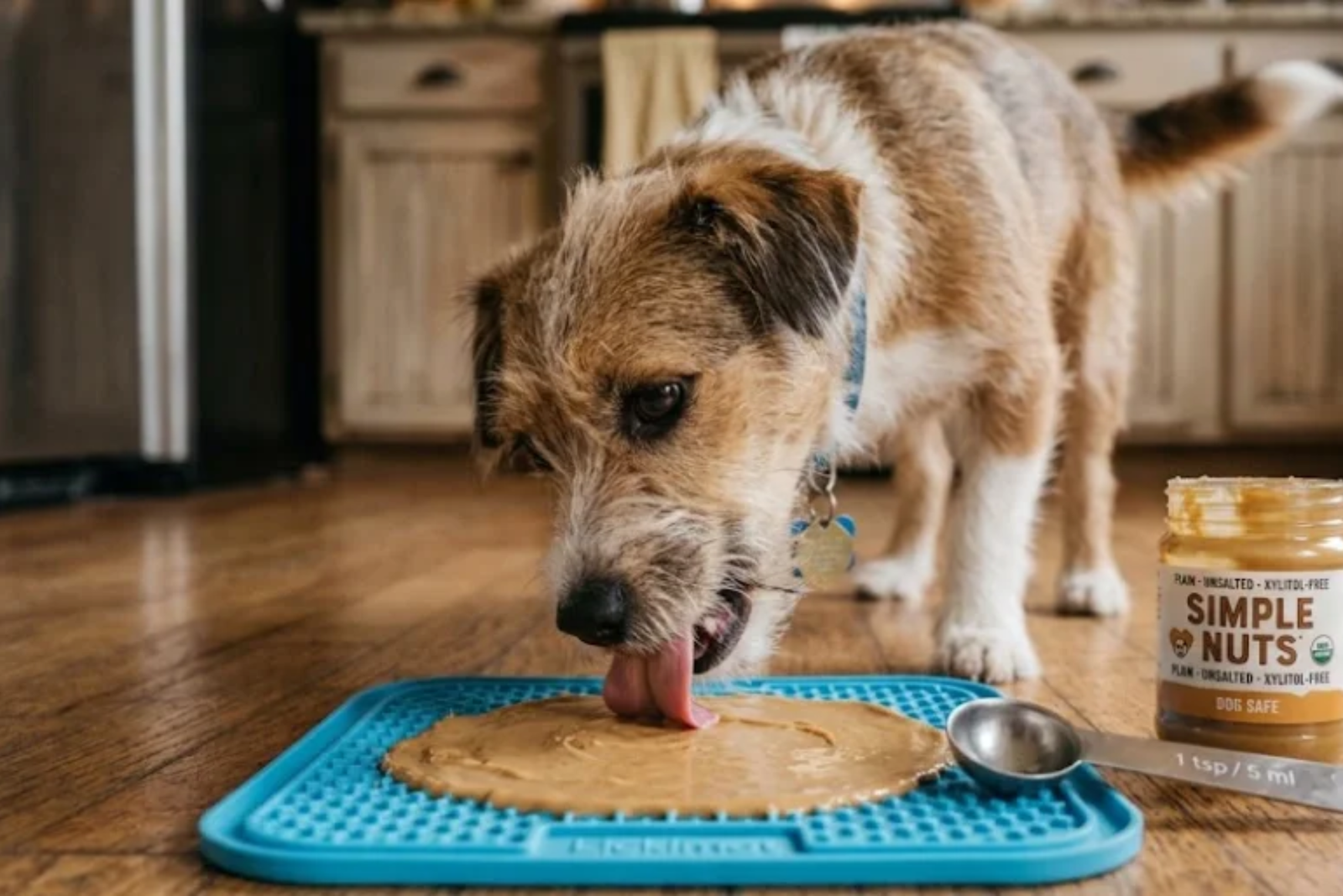
Start with a tiny taste to assess tolerance. For many dogs, a small lick or a fraction of a teaspoon is enough to provide enjoyment. Larger dogs may tolerate somewhat more, but generous servings are unnecessary.
Treats should generally account for no more than 10% of a dog’s daily calories. The remaining calories should come from a complete and balanced diet. Because peanut butter is calorie-dense, even modest servings can add up quickly.
Dogs with obesity, diabetes, pancreatitis, or digestive disorders may need stricter dietary limits. Ask your veterinarian before introducing peanut butter if your dog has an existing medical condition.
Benefits of Peanut Butter for Dogs
When safely prepared and served in moderation, peanut butter can make an enjoyable occasional treat. Its strong aroma and creamy texture appeal to many dogs.
A Useful Training Reward
A small amount can motivate dogs during training. It may help reinforce positive behavior, particularly when a dog responds well to food-based rewards. However, tiny portions are usually sufficient.
Enrichment and Mental Stimulation
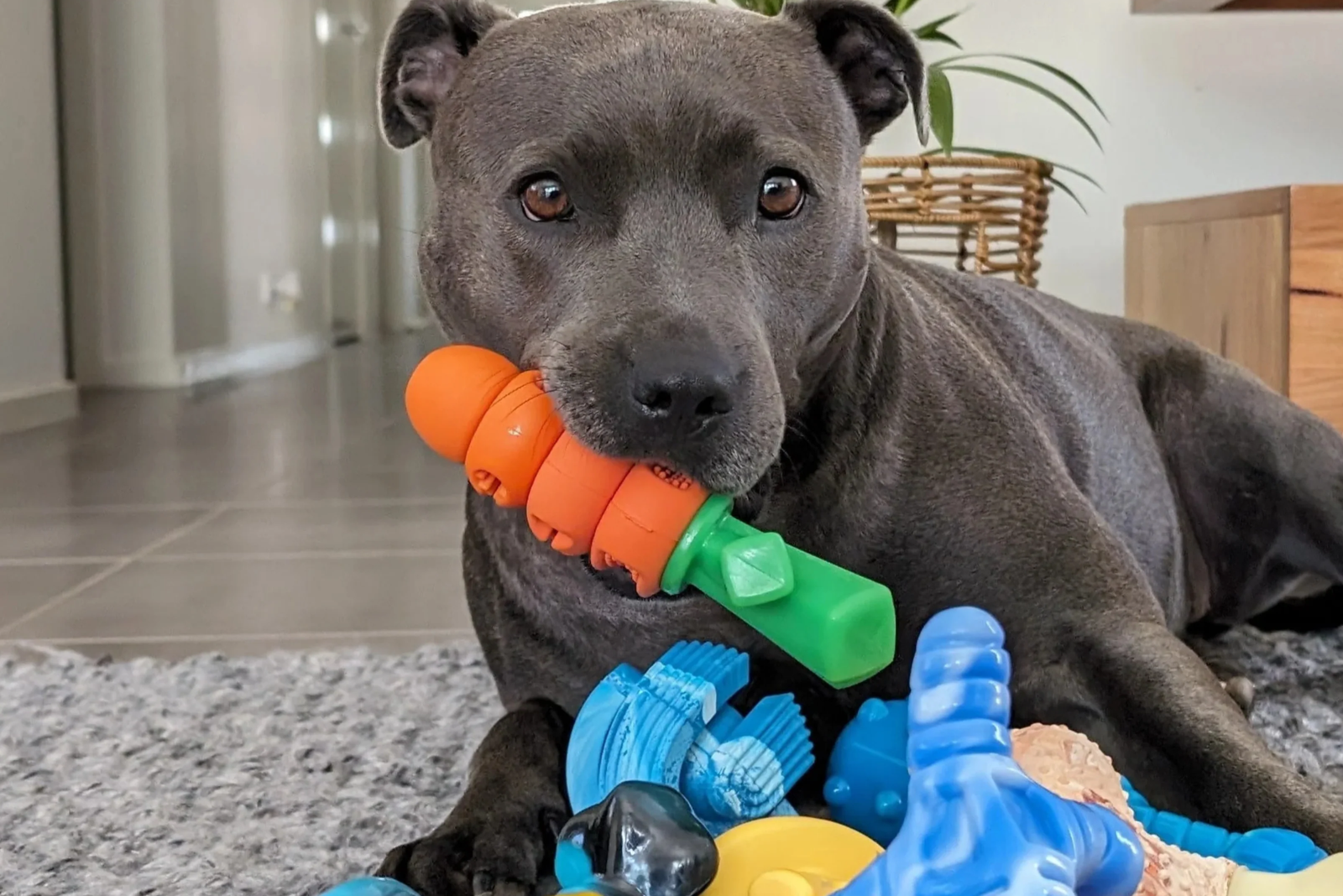
You can spread a thin layer inside a suitable dog toy to encourage licking and exploration. This activity may keep some dogs occupied and provide mental stimulation.
Choose an appropriately sized, durable toy to reduce choking risks. Supervise your dog during use, particularly if it tends to chew or swallow toys.
Helping With Medication
Some dogs accept veterinarian-approved medication more easily when it is hidden in a small amount of food. Peanut butter may help when the medication can safely be given with food.
However, never crush tablets or combine medication with food without checking first. Some medicines require specific administration instructions, and certain dogs need alternatives because of dietary restrictions.
Can Puppies Eat Peanut Butter?
Puppies may tolerate a tiny amount of plain peanut butter, provided they are eating an appropriate diet and have no relevant health concerns. Nevertheless, their nutritional needs are different from those of adult dogs.
Introduce new foods cautiously and avoid using peanut butter as a substantial source of calories. Puppies need complete puppy food to support healthy growth and development.
Always verify the ingredients first, particularly because xylitol poisoning can affect dogs of any age. If a puppy develops vomiting, diarrhea, or other unusual symptoms after eating peanut butter, contact your veterinarian.
What Are the Healthier Alternatives to Peanut Butter?
Several alternatives can provide variety without adding as much fat or as many calories. Suitable choices depend on your dog’s preferences, health, and dietary requirements.
Plain pumpkin puree without added sugar or spices can be an option for many dogs. Small pieces of fresh apple without seeds or core may also work well. Carrot pieces offer a crunchy texture, while cucumber provides a low-calorie snack.
Plain, unsweetened yogurt may suit some dogs, although lactose intolerance can cause digestive upset. Introduce any new food gradually and check that it contains no harmful ingredients.
Remember that even healthy snacks should remain occasional additions to a balanced diet. If your dog has allergies, diabetes, pancreatitis, or another medical condition, ask your veterinarian which treats are appropriate.
Frequently Asked Questions
Can Dogs Eat Peanut Butter Every Day?
Some healthy dogs can tolerate small amounts, but daily feeding is not necessary. Peanut butter contains considerable fat and calories, which may contribute to weight gain when served frequently. Rotate appropriate treats and consider your dog’s total calorie intake. If your dog has a medical condition, seek individualized veterinary advice.
How Do I Know If Peanut Butter Contains Xylitol?
Read the ingredient label carefully and look for the word xylitol or birch sugar. Never rely solely on claims such as “sugar-free” or “natural.” If the ingredients are unclear, contact the manufacturer. Choose a product with a simple ingredient list and verify it before every new purchase.
What Should I Do If My Dog Eats Peanut Butter Containing Xylitol?
Contact an emergency veterinarian or animal poison-control service immediately. Keep the packaging available so the professional can identify the ingredients and estimate the amount consumed. Do not wait for symptoms or attempt home treatment without veterinary instructions.
Can Dogs Eat Crunchy Peanut Butter?
Crunchy peanut butter may be suitable for some dogs if it contains safe ingredients and is offered in small amounts. However, whole peanut pieces can create choking concerns for puppies, small dogs, and animals that swallow food quickly. Smooth peanut butter may be easier for these dogs to consume safely.
Can Peanut Butter Cause Pancreatitis in Dogs?
Peanut butter’s high fat content may be a concern for dogs prone to pancreatitis. Excessive fat intake can contribute to digestive problems and may increase risk in susceptible animals. Dogs with a history of pancreatitis should only receive treats approved by their veterinarian.
Is Natural Peanut Butter Better for Dogs?
Natural peanut butter can be a good choice when it contains safe ingredients and no xylitol. However, “natural” is not a guarantee of suitability. Compare ingredient labels, check the fat and salt content, and serve only small portions.
Uaestars.ae is a growing online platform that provides useful information, services, and updates related to UAE lifestyle, business, and opportunities. It aims to connect users with reliable resources, helping them stay informed and make better decisions. Whether you are searching for guides, news, or services, uaestars.ae offers a simple and user-friendly experience for everyone. Visit now today.
Conclusion
Can Dogs Eat Peanut Butter? Xylitol Dangers and Safe Brands is a question every responsible dog owner should understand. Plain peanut butter can be an enjoyable occasional treat for many dogs, but ingredient safety matters more than brand popularity.
Avoid products containing xylitol, chocolate, or other harmful ingredients. Keep portions small, account for extra calories, and consult your veterinarian if your dog has dietary restrictions. If your dog consumes xylitol, seek emergency veterinary care immediately.
Before sharing your next spoonful, check the label and choose a simple product made with dog safety in mind. A little care can help keep treat time enjoyable and safer for your best friend.