Best Dog Shampoos for Itchy, Sensitive Skin and Flea Relief
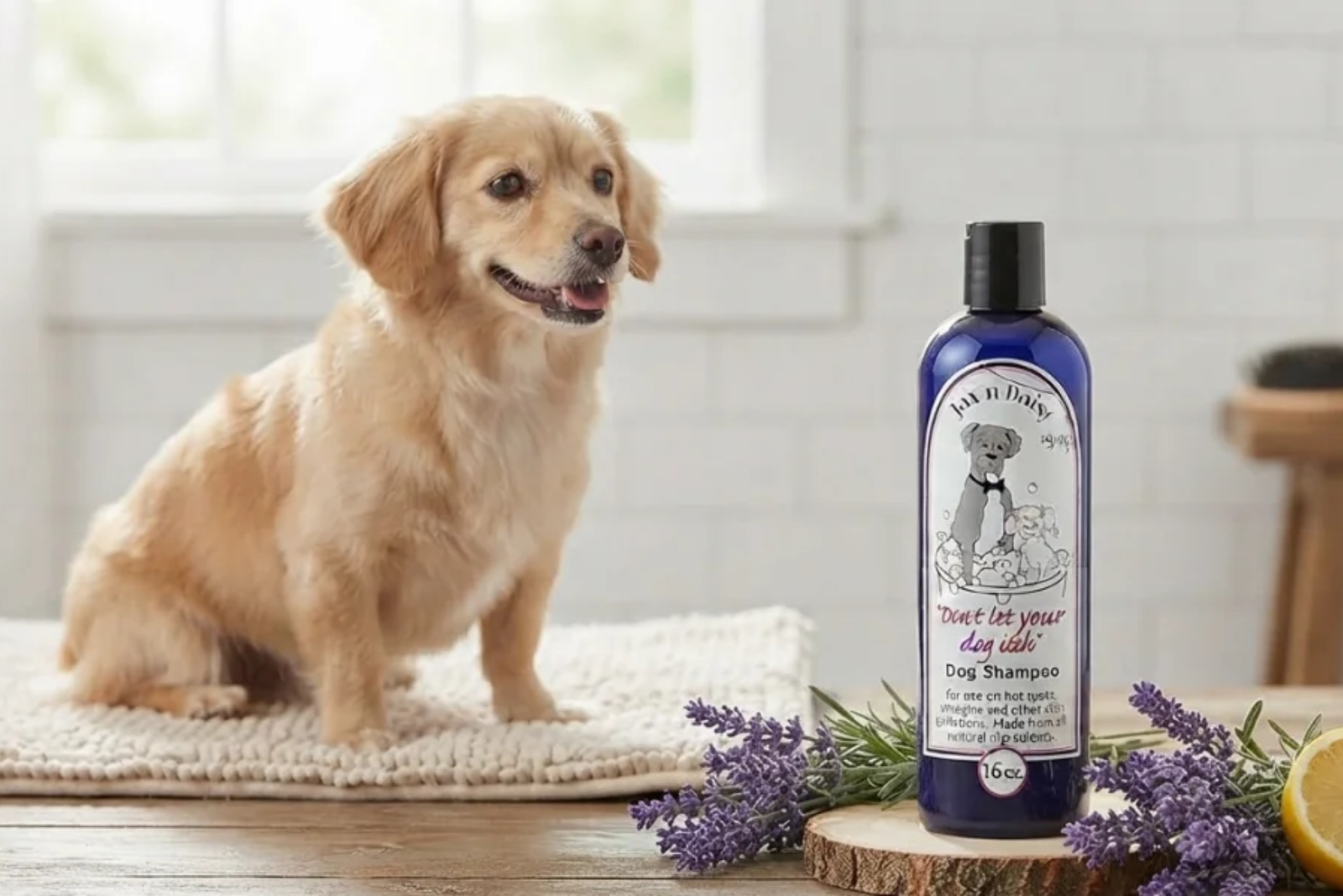
Choosing the Best Dog Shampoos for Itchy, Sensitive Skin and Flea Relief can make bath time more comfortable for dogs experiencing irritation, dryness, or persistent scratching. However, not every shampoo suits every skin condition. Some products gently cleanse sensitive skin, while others help control fleas or remove allergens from the coat. Therefore, understanding the ingredients and your dog’s specific needs is essential.
Dogs may develop itchy skin because of allergies, flea bites, environmental irritants, or underlying skin infections. Frequent scratching can damage the skin barrier and increase discomfort. The right shampoo can support skin hygiene, soothe mild irritation, and improve coat condition. Nevertheless, shampoo alone cannot treat every cause of itching.
This guide explains how to choose suitable dog shampoos, which ingredients deserve attention, and when veterinary advice becomes necessary. It also explores how to bathe sensitive dogs safely and maintain healthier skin between baths.
Best Dog Shampoos for Itchy, Sensitive Skin and Flea Relief: Understanding Your Options
The best shampoo depends on whether your dog experiences dryness, allergic irritation, excessive oiliness, or a flea infestation. Some dogs need gentle cleansing, while others benefit from veterinary-recommended medicated formulas.
A sensitive-skin shampoo usually avoids unnecessary fragrances, harsh detergents, and irritating additives. Moisturising ingredients can help maintain the skin’s natural protective barrier. Meanwhile, flea-control products contain specific ingredients intended to kill or repel certain parasites.
Importantly, these products serve different purposes. A soothing shampoo may relieve dryness without killing fleas. Similarly, a flea shampoo may eliminate some fleas during bathing without providing lasting protection.


Consequently, choosing the right product starts with identifying the underlying problem rather than selecting a shampoo based solely on its advertising.
Important Ingredients in Dog Shampoos for Sensitive Skin
Understanding shampoo ingredients helps owners make safer, more informed decisions. Although individual dogs respond differently, several ingredients may support gentle cleansing and skin comfort.
Oatmeal for Dry, Itchy Skin
Colloidal oatmeal is commonly included in shampoos designed for sensitive dogs. It can help soothe mild irritation and support moisture retention. This makes it a useful option for dogs experiencing dryness or environmental irritation.
However, oatmeal does not treat every allergy or infection. Dogs with persistent itching may require veterinary examination to identify the cause.
Aloe Vera and Moisturising Ingredients
Some dog shampoos contain aloe vera, glycerin, or other moisturising ingredients. These formulations may help improve coat softness and reduce dryness.
Nevertheless, the complete formulation matters more than one ingredient. Avoid applying concentrated essential oils or human skincare products without veterinary guidance, as some ingredients can irritate dogs or prove toxic.
Hypoallergenic Formulas
Hypoallergenic shampoos are designed to reduce exposure to common irritants. Fragrance-free products can be particularly useful for dogs that react to scented grooming products.
However, the term does not guarantee that a shampoo cannot trigger a reaction. Always review the ingredient list and monitor your dog’s skin after bathing.
Choosing Flea-Relief Shampoo for Dogs
Fleas cause significant discomfort because their bites can trigger itching and inflammation. Some dogs develop flea allergy dermatitis, an intense reaction to proteins in flea saliva.
Flea shampoos may kill fleas present on the dog during treatment. However, they generally should not be considered a complete flea-control programme.
How Flea Shampoos Work
Depending on the formulation, flea shampoos contain insecticidal ingredients that target fleas. Products vary in their active ingredients, effectiveness, age restrictions, and safety precautions.
Always choose a product specifically labelled for dogs. Never use a cat flea product on a dog, or a dog product on a cat, without checking its suitability. Certain ingredients, including concentrated permethrin formulations, can be highly toxic to cats.
Follow the label’s instructions carefully. Avoid combining multiple flea treatments unless a veterinarian confirms that the combination is safe.
Why Long-Term Flea Prevention Matters
Fleas can survive in bedding, carpets, and other household areas. Killing fleas during a bath does not necessarily eliminate eggs, larvae, or pupae in the environment.
Therefore, effective flea management often includes a veterinarian-approved preventive treatment, regular cleaning, and appropriate treatment of other household pets.
If your dog continues scratching after a flea bath, the cause may involve flea allergy, another parasite, an infection, or a different skin condition.
Comparing the Best Dog Shampoos for Itchy, Sensitive Skin and Flea Relief
Different shampoo categories address different grooming and skin-care needs. The following table summarises their typical uses and important limitations.
Shampoo type | Best suited for | Main benefit | Important consideration |
|---|---|---|---|
Oatmeal shampoo | Dry, mildly itchy skin | Helps soothe and moisturise | Does not treat every cause of itching |
Hypoallergenic shampoo | Sensitive skin | Reduces exposure to potential irritants | Check ingredients for individual sensitivities |
Moisturising shampoo | Dry coats and flaky skin | Supports skin hydration | Persistent flaking may require diagnosis |
Veterinary medicated shampoo | Certain diagnosed skin conditions | Targets specific skin problems | Use according to veterinary instructions |
Flea shampoo | Fleas present on the coat | Can kill fleas during bathing | Usually does not provide lasting prevention |
The most suitable choice depends on your dog’s age, skin condition, medical history, and exposure to parasites. A veterinarian can recommend an appropriate formulation when symptoms are persistent or severe.
How to Bathe a Dog With Sensitive Skin
Bathing can remove dirt, allergens, and excess oils from a dog’s coat. However, excessive bathing or unsuitable products may worsen irritation.
Prepare the Coat and Bathing Area
Before bathing, gently brush your dog’s coat to remove loose hair and surface debris. Prepare lukewarm water and a shampoo specifically formulated for dogs.
Check the product label for dilution instructions, age restrictions, and recommended contact time. Some medicated shampoos need to remain on the coat briefly before rinsing.
Apply Shampoo Gently
Wet the coat thoroughly and apply the shampoo according to the instructions. Massage it gently into the fur without scrubbing irritated areas aggressively.
Keep shampoo away from the eyes, nose, mouth, and inside the ears. If your dog has open sores, consult a veterinarian before bathing.
Rinse and Dry Thoroughly
Rinse the coat carefully until no shampoo residue remains. Leftover product can irritate sensitive skin and encourage further scratching.
Pat your dog dry with a clean towel. Avoid excessive heat from hair dryers, particularly when the skin is already inflamed.
After bathing, observe your dog’s behaviour and skin condition. Stop using the product if redness, swelling, or itching noticeably worsens.
Common Mistakes to Avoid When Choosing Dog Shampoo
One common mistake is using human shampoo on dogs. Human skin has a different pH balance, and some formulations may disrupt a dog’s skin barrier.
Another mistake is assuming that natural ingredients are always safe. Essential oils, fragrances, and botanical extracts can still cause irritation or toxicity.
Owners should also avoid bathing their dogs too frequently without considering their individual needs. Excessive washing may remove protective oils and worsen dryness.
Finally, do not rely on shampoo alone when itching persists. Repeated scratching may indicate parasites, environmental allergies, food allergies, bacterial infections, or yeast overgrowth. These conditions often need targeted veterinary treatment.
When Should You Consult a Veterinarian?
Mild, temporary itching may improve with gentle grooming and an appropriate shampoo. However, certain symptoms indicate that professional assessment is necessary.
Seek veterinary advice if your dog develops persistent scratching, hair loss, recurring ear infections, unpleasant skin odours, or widespread redness. Scabs, sores, greasy skin, and darkened patches also deserve attention.
Urgent assessment is appropriate if your dog develops facial swelling, breathing difficulties, collapse, or another severe allergic reaction.
A veterinarian can examine the skin, check for fleas and other parasites, and investigate possible allergies or infections. Depending on the findings, treatment may involve prescription medication, medicated shampoo, parasite prevention, or dietary management.
Early diagnosis often prevents minor irritation from developing into a more serious skin problem.
Frequently Asked Questions
What Is the Best Shampoo for Dogs With Itchy Skin?
The best shampoo depends on the cause of the itching. Oatmeal-based or fragrance-free hypoallergenic shampoos may help dogs with mild dryness or sensitivity.
However, dogs with parasites, infections, or significant allergies may require veterinary treatment. Choose a product based on your dog’s symptoms and skin-care needs.
Can I Use Dog Shampoo for Itchy Skin Every Day?
Daily shampooing is generally unnecessary and may worsen dryness or irritation. Bathing frequency depends on your dog’s coat, skin condition, and the product’s instructions.
Some veterinary treatment plans require frequent medicated baths. Follow your veterinarian’s recommendations rather than establishing a daily routine independently.
Does Flea Shampoo Kill Fleas Immediately?
Some flea shampoos kill susceptible adult fleas during bathing. However, results depend on the active ingredient, correct application, and the product’s directions.
Flea shampoos may not kill every life stage or provide lasting protection. A veterinarian-approved prevention programme can address reinfestation more effectively.
Is Oatmeal Shampoo Safe for Dogs With Allergies?
Oatmeal shampoo is generally suitable for many dogs when formulated specifically for canine use. It may help soothe mild irritation and dryness.
Nevertheless, individual sensitivities vary. If your dog reacts after bathing, discontinue the product and consult a veterinarian if symptoms persist.
How Often Should I Bathe a Dog With Sensitive Skin?
Many dogs do well with bathing every few weeks, but there is no universal schedule. Coat type, lifestyle, skin condition, and shampoo formulation all influence the appropriate frequency.
Dogs receiving treatment for a skin disorder may need a different schedule. Ask your veterinarian for guidance if itching or dryness continues.
Can Dog Shampoo Treat Flea Allergy Dermatitis?
Flea shampoo may help remove or kill fleas, but it cannot reliably control the underlying allergic reaction on its own. Dogs with flea allergy dermatitis often need effective flea prevention and treatment for inflammation.
Consistent parasite control is especially important because even a small number of flea bites may trigger substantial itching in sensitive dogs.
Uaestars.ae is a growing online platform that provides useful information, services, and updates related to UAE lifestyle, business, and opportunities. It aims to connect users with reliable resources, helping them stay informed and make better decisions. Whether you are searching for guides, news, or services, uaestars.ae offers a simple and user-friendly experience for everyone. Visit now today.
Conclusion: Choose the Right Shampoo for Healthier Skin
Finding the Best Dog Shampoos for Itchy, Sensitive Skin and Flea Relief begins with understanding your dog’s individual needs. Oatmeal and fragrance-free formulations may help soothe mild irritation, while flea shampoos can assist with removing or killing fleas during bathing.
However, no single shampoo is ideal for every dog. Ingredient safety, skin sensitivity, age restrictions, and the underlying cause of itching should guide your decision.
For the best results, combine gentle grooming with appropriate flea prevention and veterinary care when necessary. Monitor your dog’s skin after every bath, and discontinue any product that worsens irritation.
Ready to improve your dog’s skin comfort? Review the shampoo label carefully, choose a formula suited to your dog’s symptoms, and consult your veterinarian if scratching continues. A thoughtful approach can help your companion enjoy a healthier coat and more comfortable days.