Introduction
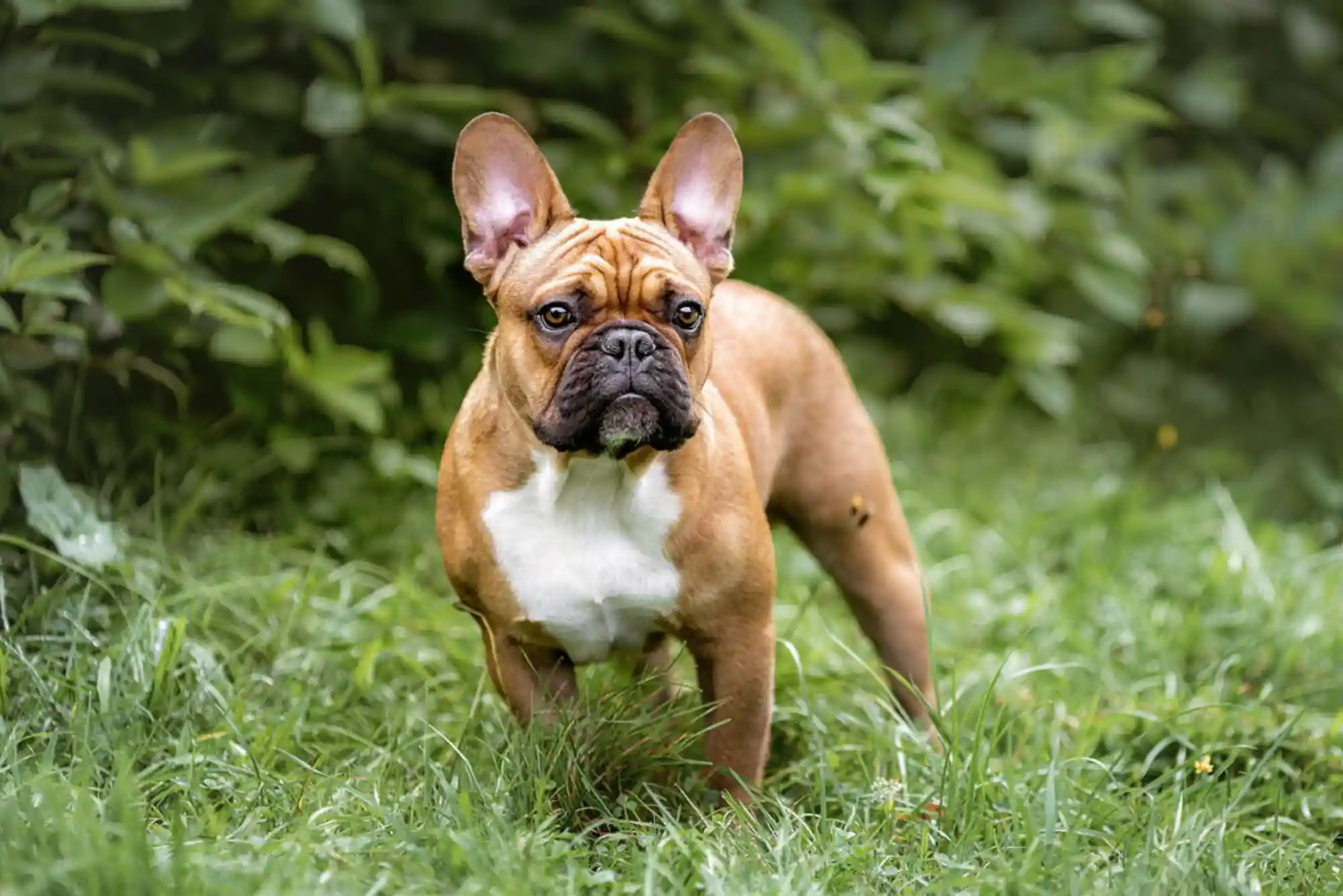
French Bulldogs may be small, affectionate, and wonderfully entertaining, but they have some very specific care requirements. Their compact bodies, short muzzles, and tendency to gain weight mean that responsible ownership involves more than providing food, walks, and plenty of cuddles. Good French Bulldog care means understanding how their breathing works, managing their diet, protecting them from heat, and paying attention to health changes throughout their lives.
The breed’s flat-faced structure is one of its most recognizable features, but it can also make breathing and cooling less efficient than in longer-nosed dogs. The American Kennel Club notes that French Bulldogs generally do best in moderate temperatures and may have reduced tolerance for heat and strenuous exercise.
Whether you are preparing for your first Frenchie or already share your home with one, understanding these needs can make everyday life safer and more comfortable. For additional breed information, you can also explore the French Bulldog Hub for more French Bulldog resources from Uaestars.
Why French Bulldog Care Requires Extra Attention
French Bulldogs are brachycephalic, meaning they have a shortened skull and muzzle. This distinctive anatomy can affect the upper airway and make breathing more difficult, particularly during exercise, excitement, or hot and humid weather.
That does not mean every Frenchie will have severe breathing problems. Individual dogs can have very different levels of airway function. However, owners should learn what normal breathing looks like for their dog and recognize changes early.
French Bulldogs also have a tendency toward excess weight. Even a relatively small amount of additional body fat can make physical activity harder and may worsen existing breathing difficulties. VCA notes that the breed has a strong tendency to become overweight, making calorie control an important part of routine care.


Good French Bulldog care therefore focuses on prevention rather than simply reacting when problems develop.
French Bulldog Breathing: What Owners Should Know
Breathing is arguably the most important health consideration for this breed. A Frenchie may naturally make more breathing sounds than a long-nosed dog, but loud or difficult breathing should not automatically be dismissed as “normal for the breed.”
Understanding Brachycephalic Airway Problems
Brachycephalic airway syndrome can involve several anatomical abnormalities, including narrowed nostrils, an elongated soft palate, and a narrowed airway. These changes can increase the effort required to breathe.
A French Bulldog that regularly struggles to breathe, tires quickly, gags, or becomes distressed during mild activity deserves veterinary assessment. Breathing should never be treated as something the dog simply has to tolerate because of its breed.
This is where informed owners can make a real difference. Regular veterinary examinations can help identify airway concerns before they become emergencies. If surgery or an airway evaluation is recommended, choosing a veterinarian experienced with brachycephalic dogs is particularly important.
You can also review Brachycephalic Care Standards and use reputable veterinary guidance when making decisions about your dog’s respiratory health.
How to Recognize Breathing Trouble
Pay attention to changes rather than focusing only on how noisy your dog sounds. Warning signs can include excessive effort when breathing, persistent open-mouth breathing when the dog is not hot, blue or gray gums, weakness, collapse, or an inability to recover normally after mild exercise.
If your Frenchie suddenly has severe difficulty breathing, collapses, or develops blue or gray gums, treat it as an emergency and seek veterinary care immediately.
French Bulldog Diet: Keeping Your Dog Lean and Healthy
Nutrition is another major part of responsible French Bulldog care. Frenchies can be enthusiastic eaters, and their relatively compact bodies make excess calories add up quickly.
Choose a Complete and Balanced Food
A quality commercial food appropriate for your dog’s life stage is usually a practical starting point. Look for a nutritional adequacy statement indicating that the food is complete and balanced for the appropriate life stage.
There is no single food that is perfect for every French Bulldog. Puppies, adults, seniors, dogs with allergies, and dogs with medical conditions may all have different nutritional requirements. VCA recommends considering factors such as age, lifestyle, body condition, and medical history when choosing a diet.
Breed-specific food can be convenient, but it is not automatically healthier simply because the packaging features a French Bulldog. Nutritional quality, calorie density, ingredient formulation, and your individual dog’s needs matter more.
Control Portions Rather Than Guessing
One of the easiest mistakes is overfeeding. Food packaging provides useful starting guidance, but your Frenchie’s ideal portion depends on activity level, age, metabolism, body condition, and the calorie density of the food.
Adult French Bulldogs are commonly fed two meals per day, while puppies may need more frequent meals.
Measure meals consistently instead of repeatedly filling the bowl by eye. Treats also count toward daily calories. VCA recommends keeping treats and snacks to no more than about 10% of daily calorie intake.
A lean Frenchie is generally better positioned to move comfortably and cope with heat than an overweight one. Weight management is therefore not merely cosmetic; it is an important component of long-term health.
Exercise for a French Bulldog
French Bulldogs need regular movement, but they are not designed to be endurance athletes.
Short, controlled walks and indoor play can provide physical activity without placing unnecessary stress on their airways. VCA recommends daily exercise but emphasizes that French Bulldogs are extremely prone to overheating because of their flat faces.
Watch your dog’s breathing throughout activity. Do not wait for obvious distress before stopping.
During warm weather, early-morning or evening activity may be safer than midday exercise. On particularly hot or humid days, indoor enrichment can be a better option.
Mental stimulation also matters. Training, puzzle toys, scent games, and gentle interactive play can keep a Frenchie mentally engaged without requiring long periods of physical exertion.
French Bulldog Heat Safety: A Critical Priority
Heat safety should be a major part of every French Bulldog owner’s routine.
Dogs primarily cool themselves through panting, and short-nosed breeds have greater difficulty using this mechanism efficiently. Humidity makes cooling even harder because evaporation becomes less effective.
How to Keep a Frenchie Cool
Keep fresh water available and provide a cool indoor environment during hot weather. Avoid strenuous exercise in heat and humidity, and never leave your French Bulldog in a parked vehicle.
A car can become dangerously hot within minutes, even when outdoor temperatures initially seem moderate.
Air conditioning can be particularly valuable for French Bulldogs in hot climates. If your home becomes excessively warm, move your dog to the coolest available area and monitor their breathing closely.
Recognize the Signs of Heatstroke
Early warning signs can include frantic panting, excessive drooling, bright-red gums, weakness, vomiting, diarrhea, or difficulty standing. More severe heatstroke can lead to collapse, seizures, abnormal gum color, or unconsciousness.
If you suspect heatstroke, move your dog to a cooler environment and contact a veterinarian immediately. Cooling should begin while veterinary assistance is being arranged, using cool rather than extremely cold water. Veterinary evaluation is still important even if your dog appears to recover.
Weight Management and Everyday French Bulldog Care
Keeping your Frenchie at a healthy body condition is one of the simplest ways to support long-term French Bulldog care.
Obesity can contribute to orthopedic problems and may make existing airway issues more difficult to manage. VCA describes obesity as a preventable health problem that can affect mobility and shorten a dog’s healthy lifespan.
Ask your veterinarian to assess body condition rather than relying solely on the number shown on a household scale. A healthy Frenchie should have an appropriate waist and abdominal tuck, with ribs that can be felt without being excessively prominent.
Regular weight checks can identify gradual weight gain before it becomes obvious.
Other Health Needs Frenchie Owners Shouldn’t Ignore
Breathing and weight are major concerns, but comprehensive French Bulldog care also includes skin, eyes, ears, joints, spine, teeth, and general preventive medicine.
The facial folds should be checked and kept clean and dry because trapped moisture can encourage irritation and infection. VCA recommends examining and cleaning facial and tail wrinkles regularly.
French Bulldogs can also experience orthopedic and spinal problems, while their prominent eyes can be vulnerable to certain conditions. Routine veterinary examinations provide an opportunity to detect these problems early.
Another frequently overlooked issue is swimming. French Bulldogs are poor swimmers because of their body structure and should never be left unattended near pools, lakes, or other bodies of water.
French Bulldog Lifespan: How Long Do They Live?
The expected French Bulldog lifespan varies between individuals and sources. The AKC gives a general lifespan of around 10–12 years on its breed information page, while another AKC lifespan guide lists approximately 11–13 years.
VCA gives a somewhat shorter estimate of 9–11 years, demonstrating why lifespan should be treated as a general range rather than a guarantee.
Genetics play a major role, but lifestyle and preventive care also matter. Maintaining a healthy weight, avoiding dangerous heat exposure, addressing breathing problems, feeding an appropriate diet, and keeping up with veterinary examinations can all contribute to better quality of life.
The goal should not simply be to make a Frenchie live as long as possible. The real goal is to maximize the number of years the dog spends comfortable, active within its limits, and free from preventable suffering.
Creating a Practical French Bulldog Care Routine
The best approach is consistency. Feed measured portions, provide fresh water, keep your dog’s living environment comfortable, and schedule exercise around weather conditions rather than forcing a fixed routine.
Watch your Frenchie’s breathing during activity and learn their individual limits. Check facial folds regularly, maintain dental and nail care, and schedule routine veterinary examinations.
It is also useful to keep a record of your dog’s weight, vaccinations, medications, allergies, and any changes in breathing or exercise tolerance. Small changes are easier to recognize when you know what is normal for your dog.
For broader breed information, health resources, and Frenchie-related guidance, visit Uaestars.
Better Care Means a Better Frenchie Life
Effective French Bulldog care comes down to understanding what makes this breed different. Their breathing deserves careful attention, their diet needs sensible portion control, their weight should be monitored, and heat exposure should be taken seriously.
A Frenchie does not need marathon walks or intense exercise to have a fulfilling life. It needs appropriate activity, mental stimulation, a balanced diet, a comfortable environment, preventive veterinary care, and an owner who understands its limits.
If you are considering bringing a French Bulldog into your family—or want to improve the care of the one already beside you—use these principles as the foundation of your daily routine. And when you notice changes in breathing, appetite, weight, energy, or heat tolerance, speak with your veterinarian rather than waiting for the problem to become serious.
FAQs
Do French Bulldogs have breathing problems?
They can. Their short facial structure can contribute to brachycephalic airway problems, although severity varies considerably between individual dogs. Persistent noisy or difficult breathing should be discussed with a veterinarian rather than automatically considered normal.
How long do French Bulldogs live?
A typical French Bulldog lifespan is roughly 10–12 years, although published estimates vary. The AKC lists approximately 10–12 years on its breed page and 11–13 years in a general lifespan guide.
What temperature is too hot for a French Bulldog?
There is no single temperature that is safe for every Frenchie because humidity, exercise, age, weight, airway function, and individual tolerance all matter. Because French Bulldogs are particularly vulnerable to overheating, owners should be cautious even when temperatures do not seem extreme.
How can I keep my French Bulldog cool in summer?
Keep your Frenchie in a cool environment, provide fresh water, avoid strenuous activity during hot or humid periods, and never leave the dog in a parked vehicle. Air conditioning is especially useful during extreme heat.
How many times a day should a French Bulldog eat?
Many adult French Bulldogs do well with two measured meals per day, while puppies generally need more frequent feeding. The correct amount depends on the dog’s age, size, activity level, food, and body condition.
Are French Bulldogs prone to obesity?
Yes. French Bulldogs have a tendency to become overweight, so measured portions, controlled treats, appropriate exercise, and regular weight monitoring are important.
Can French Bulldogs swim?
They should not be considered safe swimmers. Their body shape makes swimming difficult, so they should always be closely supervised around water and should not be left unattended near a pool or other body of water.
Related Reading: Golden Retriever Shedding Season Guide: How to Reduce Fur Loss — full guide
Related Reading: The Importance of Eye Care and Makeup in Modern Beauty Routine — full guide