
Introduction
Labrador Retrievers are energetic, loving, and highly intelligent dogs that require consistent daily physical activity to stay healthy and happy. Understanding Labrador Retriever Exercise Requirements by Age (Puppy to Senior) is essential for every dog owner who wants to prevent joint problems, obesity, and behavioral issues. Because a Lab undergoes drastic physical changes throughout its life, an exercise routine that works for a high-energy adult will likely injure a growing puppy or cause severe discomfort to an aging senior. By tailoring physical activity to your dog’s specific growth stage, you ensure that your loyal companion receives maximum benefit with minimum risk.
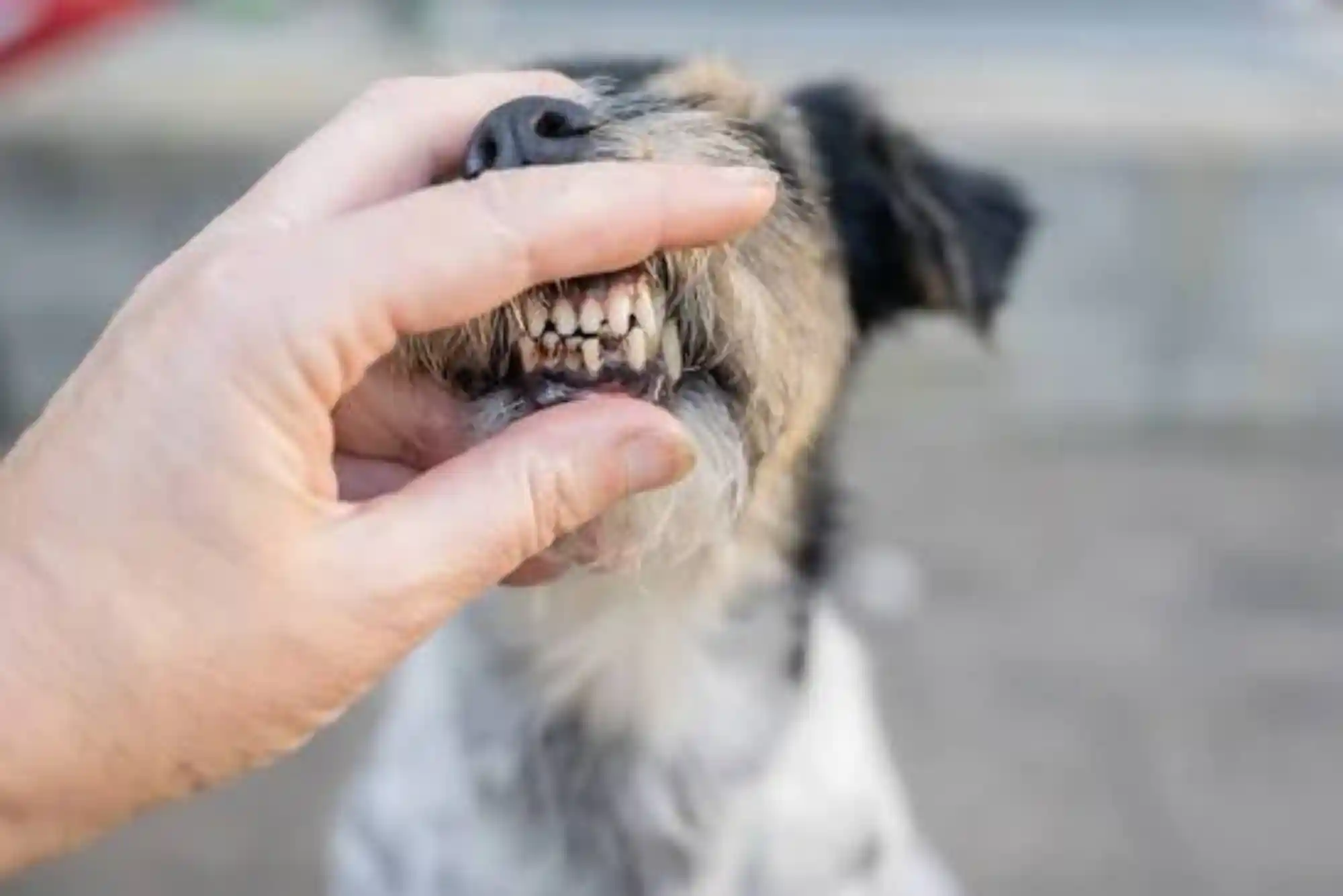
To maintain proper oral health alongside a strong fitness routine, learning how to clean dog teeth at home is another vital component of preventing periodontal disease and ensuring total wellness. Clean teeth prevent harmful bacteria from entering the bloodstream, which directly protects your dog’s energy levels and vital organs as they age. Combining an age-appropriate fitness plan with routine dental care provides your Labrador Retriever with the best foundation for a long, vibrant life.
Understanding Labrador Retriever Exercise Needs
Labrador Retrievers were originally bred as hard-working hunting companions trained to retrieve waterfowl over rugged terrain and cold water. This rich working heritage means modern Labs naturally possess high stamina, muscular builds, and a strong drive to move. While individual energy levels vary depending on genetics and personality, almost all Labs require structured physical output to stay balanced.
When a Labrador Retriever does not receive adequate activity, physical and mental frustration quickly builds up. Unmet exercise needs often manifest as destructive chewing, excessive barking, digging, or intense hyperactivity inside the home. Furthermore, excess calorie intake paired with sedentary habits rapidly leads to canine obesity, which puts dangerous stress on joints and internal organs. Providing the right type and amount of daily exercise forms the bedrock of long-term health and emotional stability.
Exercise Requirements for Labrador Puppies
Labrador puppies are full of playful enthusiasm, but their developing bodies require careful handling during physical activities. Between eight weeks and eighteen months of age, a puppy’s bones are still growing, and their growth plates remain soft and flexible. Subjecting a young puppy to overly intense or repetitive exercise can lead to permanent structural damage and painful joint disorders such as hip dysplasia.
A reliable guideline for exercising young Labs is the five-minute rule, which allows five minutes of structured exercise per month of age up to twice daily. For instance, a three-month-old puppy should only participate in structured walking for fifteen minutes per session. High-impact activities like running on asphalt or jumping from vehicles must be strictly avoided to keep their fragile joints safe as they grow.


Exercise Needs for Adolescent Labradors
As Labradors enter adolescence between six and eighteen months of age, their energy levels often reach an all-time high while their bodies are still maturing. During this transitional phase, young Labs display high enthusiasm paired with developing coordination, making balanced activity management vital.
Adolescent Labs require approximately forty-five to sixty minutes of total daily exercise divided into manageable sessions. Focus on controlled activities that build cardiovascular health and core strength without pounding their joints, such as leash training walks, basic obedience drills, controlled swimming, and gentle retrieve games on grass.
Optimal Exercise for Adult Labradors
Adult Labradors between two and seven years old possess peak physical stamina and require robust daily activity to maintain optimal muscle tone and body weight. An adult Lab generally needs between sixty and ninety minutes of vigorous physical activity every single day to thrive physically and mentally.
Adult Labs excel at diverse, challenging activities that engage both body and mind, such as fetching floating toys, sustained jogging on soft trails, and hiking across varied terrain. Rotating between power walks, off-leash play, swimming, and interactive brain games keeps your dog enthusiastic, healthy, and lean.
Managing Exercise for Senior Labradors
As Labradors transition into their senior years around age seven or eight, their energy levels, muscle mass, and joint flexibility gradually decline. Senior Labs still require consistent daily exercise to preserve joint mobility, manage weight, and support cognitive function, but the intensity must be reduced.
Senior Labradors typically need thirty to forty-five minutes of gentle, low-impact activity split into two or three short sessions each day. Low-impact exercises such as casual walking on flat grassy paths and swimming in warm water are ideal for senior dogs, provided you monitor them closely for signs of stiffness or fatigue.
Low-Impact and High-Impact Exercise Types
Understanding the difference between high-impact and low-impact activities helps you select the safest routine for your dog’s current life stage. Low-impact exercises, like swimming and flat surface walking, spread weight evenly and minimize sudden, force-heavy impacts on bones and cartilage.
High-impact exercises involve sudden acceleration, sharp turns, jumping, and repetitive pounding on hard surfaces, such as road running or Frisbee jumping. These high-intensity workouts should strictly be reserved for fully developed adult Labradors with clear health checks from a veterinarian.
Recognizing Over-Exercise and Under-Exercise
Monitoring your Labrador’s behavior and physical recovery after exercise helps you adjust their routine before health issues develop. An under-exercised Labrador usually displays restlessness, excessive barking, destruction of household items, or unprovoked hyperactive zooming through the house.
Over-exercised Labradors show clear physical signs of exhaustion, such as excessive panting, lagging behind during walks, heavy drooling, stiffness when rising, or limping. If your dog shows signs of distress or lies down during activity, stop immediately, offer water, and allow them to rest in a cool, shaded spot.
Frequently Asked Questions
How many miles can a Labrador run with you?
A fully mature, healthy adult Labrador can run three to five miles comfortably after being properly conditioned over time. Puppies under eighteen months and senior dogs should not engage in continuous long-distance running to protect their joints.
Is walking enough exercise for a Labrador Retriever?
Simple leash walking is rarely enough for a young or adult Labrador Retriever because of their high natural stamina. While walks provide essential mental stimulation, Labs also need opportunities for free running, fetching, or swimming to satisfy their deep cardiovascular needs.
How do I know if my Lab puppy is getting too much exercise?
Signs of over-exercised puppies include persistent fatigue, reluctance to play, sitting down during walks, swollen joints, or limping. Always stick to short, controlled sessions and let the puppy dictate when it is time to rest.
Can senior Labradors still go swimming safely?
Yes, swimming is one of the best exercises for senior Labradors because water provides buoyant support for sore joints while maintaining muscle strength. Always supervise senior swims closely and consider using a dog life jacket for extra safety and buoyancy.
Conclusion
Tailoring physical activity to your dog’s specific growth stage ensures a lifetime of vibrant health, happiness, and companionship. By following appropriate Labrador Retriever Exercise Requirements by Age (Puppy to Senior), you safeguard growing joints during puppyhood, channel intense adult energy productively, and protect senior mobility softly.