Roof pitch matters more than homeowners realise. From waterproofing to structural load, everything depends on how accurately you measure the slope. In regions like the UAE, Pakistan, India, and the UK, roof pitch calculation also affects energy efficiency, drainage, and even insurance approvals. This guide explains the easiest ways to calculate roof pitch while ensuring safety, speed, and precision.
What Is Roof Pitch? (LSI Keyword)
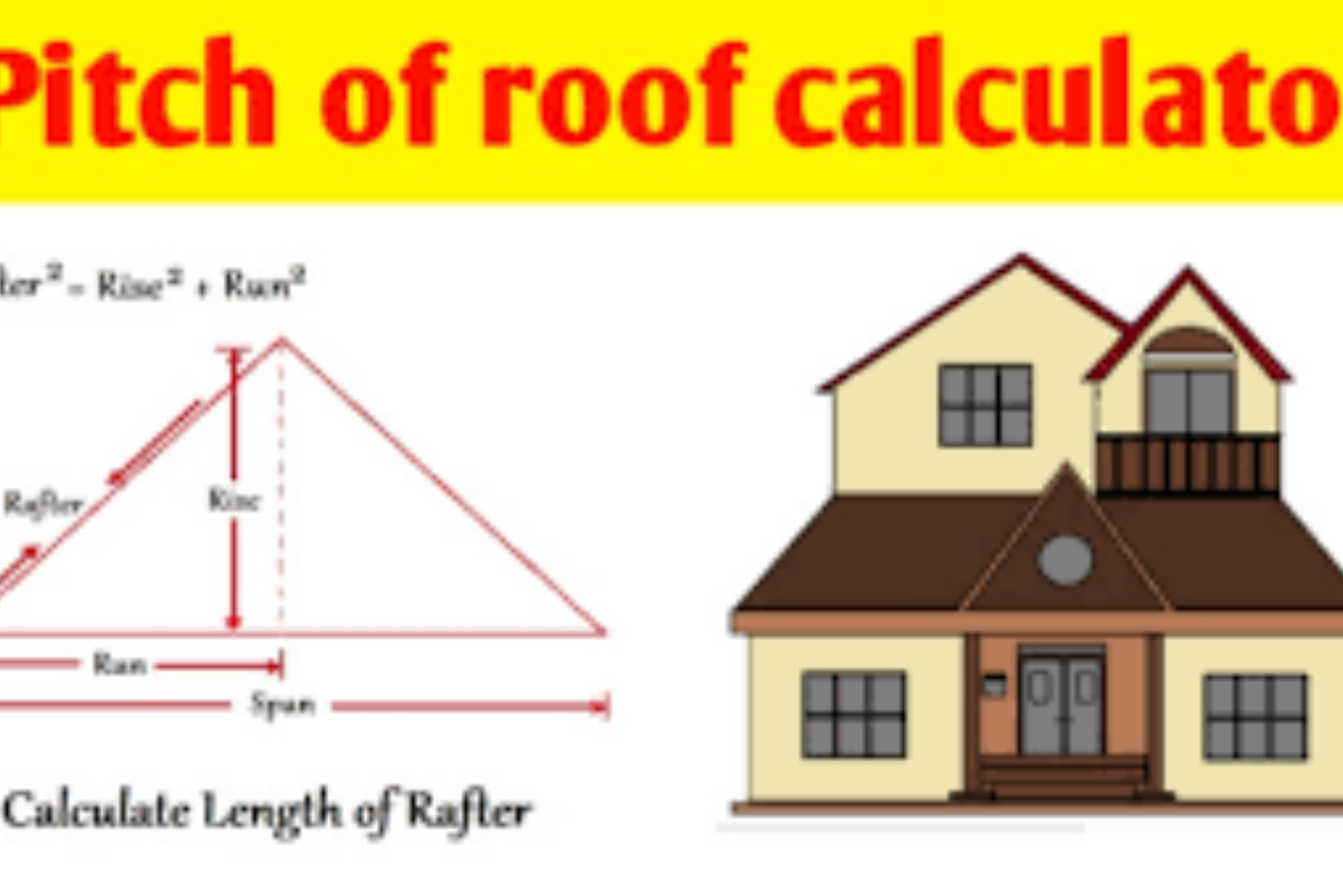
Quick Answer: Roof pitch is the ratio of the roof’s vertical rise to its horizontal span, usually expressed as “X inches of rise per 12 inches of run.”
Understanding roof pitch is essential because it determines
rainfall and snow drainage,
roofing material selection,
cost estimation,
structural design,
wind resistance—especially in Gulf countries like the UAE and Saudi Arabia, where high winds are common.
In Pakistan’s Punjab and Sindh regions, low-slope roofs dominate due to climate. Meanwhile, in colder regions like the UK, steeper pitches help prevent snow buildup.
Tools You Need to Calculate Roof Pitch Easily
Quick Answer: A tape measure, level, ladder, and digital calculator are enough for simple roof pitch calculations.
Basic tools include:
Measuring tape
2-foot or 4-foot level
Carpenter’s square
Ladder
Optional: Smartphone measurement apps
Optional: Digital tools for faster results
Many construction teams in the UAE now use digital tools because they reduce human error and ensure compliance with municipal standards.
Manual Method: Measuring Rise and Run
Quick Answer: Measure the vertical rise over a 12-inch horizontal run using a level placed on the roof surface.
Steps
Place a level horizontally on the roof.
Mark a 12-inch point.
From the 12-inch mark, measure vertically upward to the roof surface.
The vertical measurement = rise.
So, pitch = rise ÷ 12.
Example
If the rise is 6 inches, the pitch is 6:12.
In high-rainfall areas like Kerala (India), roof designers prefer 9:12 or higher to encourage fast water shedding. Pakistani architects in Murree also prefer steeper roofs to handle snow.
Using a Roof Pitch Chart (LSI Keyword)
Quick Answer: Roof pitch charts convert angle measurements into precise pitch ratios quickly.
A roof pitch chart helps convert
angle degrees → pitch ratios
slope percentage → pitch numbers
These charts are widely used by contractors in Dubai, Abu Dhabi, and Sharjah because building code submissions often require exact slope data.
Calculating Roof Pitch With Mobile Apps
Quick Answer: Many mobile apps use your phone’s sensors to calculate the slope angle instantly.
Apps measure:
degrees
rise and run
slope percentage
They are popular in the UK roofing industry, where quick on-site estimates are essential for survey reports.
However, mobile readings can vary based on how steady the phone is placed, making accuracy less reliable compared to dedicated digital tools.
Digital Method: Using an Online Roof Pitch Calculator
Quick Answer: Digital calculators provide the fastest and most accurate roof pitch results with minimal input.
At this midpoint of the article, here is the UAE-episode placement of your required backlinks:
Why Accurate Roof Pitch Matters in the UAE
Quick Answer: Roof pitch affects heat load, waterproofing, drainage, and structural safety in UAE climates.
In the UAE, roof design must handle:
extreme heat (45–50°C),
heavy rainfall events (especially in Dubai and Fujairah),
high winds in desert regions,
HVAC energy efficiency.
A poorly measured pitch can cause water pooling, structural warping, or insulation failure. UAE building codes emphasise proper roof angle documentation for villas, warehouses, and high-rise structures.
Common Roof Pitch Types (LSI Keyword)
Quick Answer: Flat, low-slope, and steep-slope roofs are the three primary categories.
Types
Flat Roofs (1:12 to 2:12) – Used in Pakistan, UAE, and India for water tanks and solar panels.
Low-Slope Roofs (2:12 to 4:12) – Economical and easier to maintain.
Steep-Slope Roofs (6:12 and above) – Common in the UK, northern Pakistan, Kashmir, and colder climates.
Each type serves different structural and climatic needs.
How to Calculate Roof Pitch From Attic Measurements
Quick Answer: Measure vertical rise inside the attic over a known horizontal run—this avoids climbing onto the roof.
Steps:
Place a level against a rafter.
Mark a 12-inch run.
Measure vertically to the rafter surface—this is the rise.
Calculate pitch the same way: rise ÷ 12.
This method is safer for steep roofs or old structures.
Government and Technical Training Support in the Region
Quick Answer: Many countries offer construction-focused training to help workers improve roof measurement accuracy.
Examples:
UAE: Vocational education programs by ACTVET and Dubai Municipality.
Pakistan: NAVTTC youth training in construction technology.
India: PMKVY technical certification programs for roofers and masons.
UK: CITB provides advanced training for roofing apprentices.
These programs help workers adopt safer, tech-based measuring methods.
FAQs
1. What is the easiest way to calculate roof pitch?
Using an online roof pitch calculator gives instant and accurate results without manual measuring.
2. Can I measure roof pitch without climbing the roof?
Yes, attic measurements or smartphone angle tools can help you calculate pitch safely.
3. Does roof pitch affect roofing costs?
Absolutely. Steeper roofs require more material, labour, and safety precautions.
4. What roof pitch is best for UAE homes?
Low to medium slopes (2:12 to 5:12) are preferred for heat management and easy maintenance.
5. Why do UK homes have steep roof pitches?
To allow snow and rain to drain quickly and to prevent moisture damage.
6. What’s the difference between slope and pitch?
Pitch is a ratio (e.g., 6:12), while slope is typically shown as a percentage or angle.
7. Does roof pitch impact energy efficiency?
Yes. A properly calculated pitch improves ventilation and reduces heat load.
Final Thought
As someone who has worked closely with contractors across South Punjab, UAE, and the UK, I’ve seen how one small roof pitch miscalculation can impact an entire project—from drainage to insulation. Technology has truly transformed how we measure and design roofs. Whether you’re calculating slopes for a Karachi home, a Dubai villa, or a UK bungalow, using reliable digital tools ensures accuracy, safety, and compliance. With the growing number of youth training programs and IT-driven solutions in the region, roof measurement is becoming faster, easier, and more standardised than ever.