
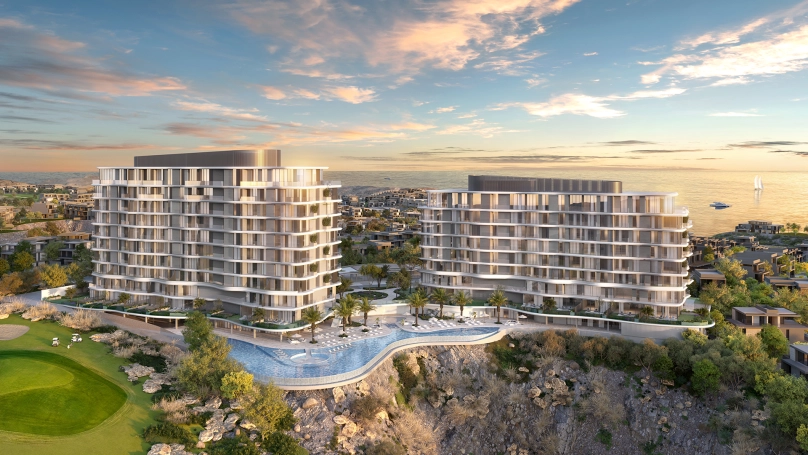
Real estate has always reflected how societies grow, move, and organise daily life, yet in recent decades the pace of transformation has accelerated dramatically. Urban expansion, digital infrastructure, sustainability priorities, and shifting work habits are redefining how people choose where to live and invest. Access to structured market information has become essential, and many individuals explore analytical platforms such as https://whitewill.om to better understand regional property dynamics, pricing patterns, and long-term development strategies. Rather than relying on intuition alone, modern buyers increasingly approach real estate as a data-driven decision shaped by lifestyle compatibility and future resilience.
Cities today are no longer built around isolated residential zones. Instead, urban planning emphasises mixed-use communities where housing, employment, leisure, and essential services coexist within compact districts. This integrated design improves daily convenience while reducing transportation strain and environmental impact. As a result, properties located in well-planned neighbourhoods often demonstrate stronger long-term value retention. The rise of eco-friendly construction materials, energy-efficient systems, and smart home technologies further influences buyer expectations, making sustainability a core component of market demand.
Key Trends Shaping Contemporary Property Decisions
Understanding how real estate markets evolve requires attention to multiple interconnected factors. Long-term success in property ownership is rarely based on price alone, but on how well a location adapts to social and economic change.
- development of transport and digital infrastructure;
- quality and durability of construction standards;
- integration of green spaces and public amenities;
- proximity to employment and education centres;
- flexibility of living layouts for changing lifestyles;
- transparency of legal and ownership frameworks.
Another critical element is adaptability. Homes that accommodate remote work, multi-generational living, or future renovation remain relevant far longer than rigid designs. Open floor plans, modular spaces, and energy-saving technologies not only enhance daily comfort but also support resale and rental potential. These features reflect a shift toward functional longevity rather than short-term visual appeal.
Market stability also depends heavily on governance and long-term urban planning policies. Regions that maintain clear development strategies and predictable regulatory systems tend to attract sustained interest from both residents and investors. This consistency reduces speculative volatility and encourages real demand driven by population growth and economic opportunity.
As global mobility increases and lifestyle expectations evolve, real estate continues to serve as both a personal foundation and a financial asset. Those who understand infrastructure trends, sustainability priorities, and demographic shifts are better positioned to select properties that deliver lasting value. In today’s interconnected world, informed real estate decisions are less about timing the market and more about aligning with the direction in which cities and communities are moving.


Related Reading: The Future of Commercial Real Estate in Dubai: Trends to Watch in 2026
Related Reading: Real Estate Consultants
Related Reading: DIFC Residences and the Everyday Logic of a Financial District
Related Reading: Design-Driven Housing Trends: How Urban Living Is Evolving Beyond Traditional Apartments