Introduction
If your dog is constantly scratching, licking, or chewing their skin, bath time can either help or make the problem worse. Choosing the best dog shampoos for itchy, sensitive skin and flea relief means looking beyond a pleasant scent or a thick lather. The right shampoo should match the reason your dog is uncomfortable while protecting the skin barrier.
Itchy skin can result from fleas, allergies, dry skin, bacterial or yeast infections, or contact with irritating products. Flea allergy dermatitis is particularly uncomfortable because even a single flea bite can trigger intense itching for several days in sensitive dogs.
The good news is that the right bathing routine can remove allergens, soothe irritated skin, and make your dog more comfortable. However, shampoo alone is rarely enough when fleas or an underlying skin condition are involved. Here is how to choose a safe and effective option.
Why Dogs Develop Itchy and Sensitive Skin
Before choosing among the best dog shampoos for itchy, sensitive skin and flea relief, it helps to understand what is causing the itching.
Flea Bites and Flea Allergy Dermatitis
Fleas are one of the most common causes of sudden itching. Some dogs develop an allergic reaction to proteins in flea saliva. This condition is called flea allergy dermatitis, or FAD.
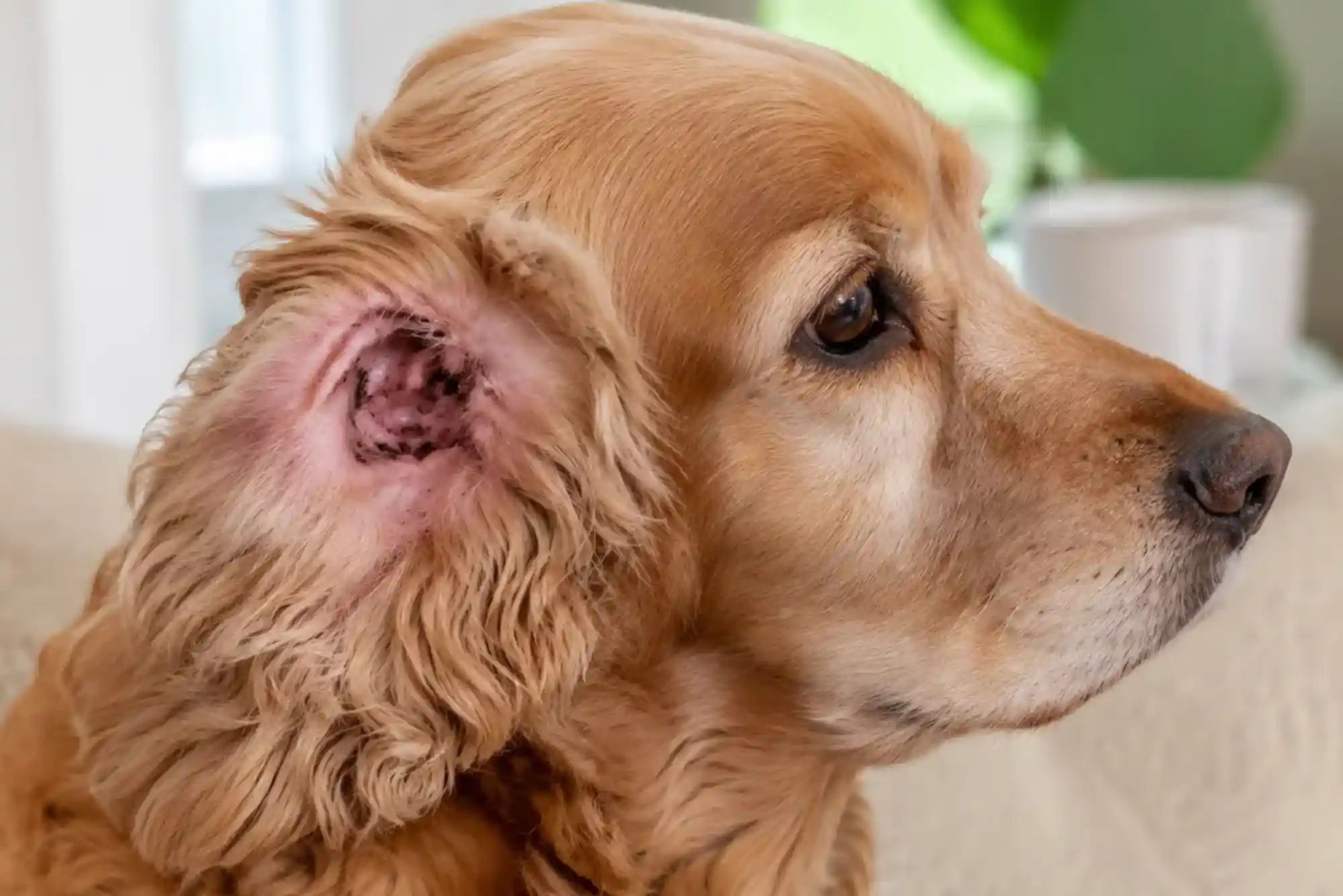
Typical signs include intense scratching, chewing around the tail base, hair loss, redness, scabs, and irritated skin. A dog does not need a large flea infestation to react badly. One bite can be enough to cause days of discomfort.


A flea shampoo can remove or kill fleas present during the bath, depending on its active ingredients. However, it does not necessarily stop new fleas from emerging from your home environment. Flea eggs, larvae, and pupae can remain in bedding, carpets, furniture, and other areas.
Environmental or Food Allergies
Pollen, dust mites, molds, certain foods, and other allergens can cause recurring itching. Dogs may lick their paws, rub their faces, scratch their ears, or develop red skin.
In these cases, a gentle hypoallergenic or moisturizing shampoo may help remove allergens from the coat. It cannot, however, cure the underlying allergy.
Dry or Irritated Skin
Over-bathing, harsh ingredients, very hot water, and unsuitable shampoos can strip natural oils from the skin. This can create a frustrating cycle where a dog becomes even itchier after being washed.
For dogs with mild dryness, moisturizing ingredients such as oatmeal and aloe vera can provide soothing support. The American Kennel Club also recommends choosing dog-specific, soap-free shampoos designed to soothe rather than excessively dry the skin.
What Makes the Best Dog Shampoos for Itchy, Sensitive Skin and Flea Relief?
There is no single shampoo that is perfect for every itchy dog. The best choice depends on the cause of the irritation.
Oatmeal for Dry and Itchy Skin
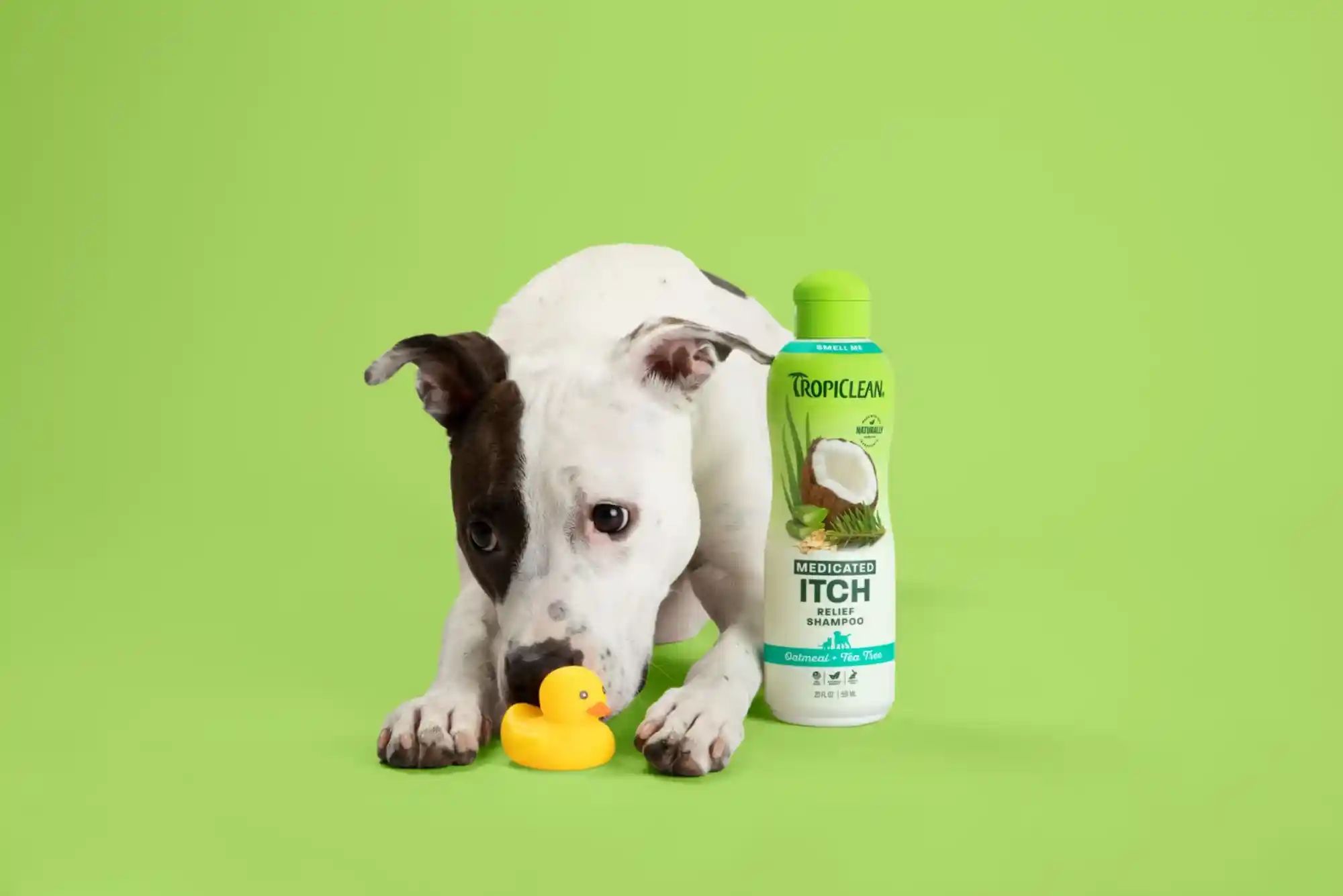
Colloidal oatmeal is one of the most common soothing ingredients used in dog shampoos. It can help calm dry, irritated skin while supporting moisture.
An oatmeal-based shampoo is usually a sensible starting point when your dog’s skin is mildly dry or itchy but there are no obvious signs of infection.
Aloe Vera and Moisturizing Ingredients
Aloe vera is commonly used in canine grooming products because it can help moisturize the skin. Other conditioning ingredients may help keep the coat soft without aggressively removing natural oils.
For sensitive dogs, a simple formula is often preferable to one overloaded with fragrance and unnecessary additives.
Hypoallergenic and Fragrance-Free Formulas
If your dog reacts easily to grooming products, choose a shampoo specifically formulated for sensitive skin. Fragrance-free or minimally fragranced formulas can reduce exposure to potential irritants.
A shampoo should also be formulated specifically for dogs. Human shampoos are not recommended because canine skin has different requirements, and inappropriate products can contribute to dryness and irritation.
Medicated Ingredients
When itching is associated with bacterial or yeast infections, a regular soothing shampoo may not be sufficient. Veterinarians may recommend medicated shampoos containing ingredients such as chlorhexidine, miconazole, ketoconazole, benzoyl peroxide, or selenium sulfide depending on the diagnosed condition.
These products should be selected according to the skin problem rather than simply because they sound stronger.
Best Dog Shampoos for Itchy, Sensitive Skin and Flea Relief by Need
Instead of choosing a shampoo because it claims to do everything, match the formula to your dog’s symptoms.
For Mild Itching and Dry Skin
An oatmeal-based, moisturizing shampoo is generally the better option for dogs experiencing mild dryness or occasional itching.
Look for a canine formula containing colloidal oatmeal, aloe vera, glycerin, or other skin-conditioning ingredients. Avoid heavily perfumed formulas if your dog already has sensitive skin.
For Very Sensitive Skin
A hypoallergenic, fragrance-free dog shampoo is usually the safer direction. The fewer potential irritants in the formula, the easier it can be to identify what your dog tolerates.
If your dog’s skin becomes red or itchy after every bath, stop using the product and discuss the reaction with your veterinarian.
For Flea-Related Itching
Flea shampoos can be useful for removing fleas currently on the dog. However, they should not be considered the entire flea-control strategy.
Veterinary guidance notes that many flea shampoos have little lasting effect, meaning fleas can return soon after bathing. Long-term flea prevention and environmental control are therefore important parts of treatment.
For Suspected Yeast or Bacterial Problems
A dog with greasy skin, unusual odor, recurrent redness, scabs, or persistent itching may have an infection rather than simple dry skin.
In that situation, a veterinarian may recommend a specific medicated shampoo. Using random medicated products without identifying the cause can waste time and potentially irritate already damaged skin.
How to Choose a Flea Shampoo Safely
Flea-relief shampoos require more care than ordinary grooming products because some contain insecticides.
Pyrethrins and pyrethroids are found in some flea shampoos and other flea-control products. When used correctly in appropriate dogs, these ingredients can be safe, but improper use or exposure can cause adverse effects.
Always check the label for your dog’s minimum age and weight requirements. Never assume that a product designed for a larger dog is safe to divide into smaller doses.
You should also avoid combining multiple flea-control products unless your veterinarian confirms that the combination is appropriate. Some ingredients are not intended to be used together.
Puppies deserve particular caution. Products suitable for adult dogs may not be appropriate for very young puppies, so veterinary advice is especially important before using an insecticidal shampoo.
How to Bathe a Dog With Sensitive, Itchy Skin
Even a good shampoo can irritate skin if the bathing process is too aggressive.
Use Lukewarm Water
Very hot water can worsen irritation and dryness. Use comfortably lukewarm water and thoroughly wet the coat before applying shampoo.
Massage Gently
Apply the shampoo according to the label instructions. Massage it gently into the coat rather than vigorously scrubbing the skin.
If you are using a medicated shampoo, follow the veterinarian’s or product label’s recommended contact time. Some formulas need to remain on the coat for several minutes to work properly.
Rinse Extremely Well
One of the easiest mistakes to make is leaving shampoo residue behind. Residue can irritate sensitive skin and may cause additional scratching.
Keep rinsing until the water runs clear and you can no longer feel product on the coat.
Dry Carefully
Pat your dog dry rather than aggressively rubbing the skin. If using a dryer, keep it on a gentle, cool or low-heat setting.
A dog with sensitive skin does not need a spa-level fragrance. It needs comfortable, clean, residue-free skin.
What to Avoid in Dog Shampoo
When searching for the best dog shampoos for itchy, sensitive skin and flea relief, ingredient quality matters more than marketing language.
Avoid products that contain strong fragrances or unnecessary irritants when your dog has sensitive skin. Artificial fragrances may aggravate some dogs, while overly harsh cleansing formulas can contribute to dryness.
You should also avoid using human shampoo as a regular substitute. Human products are designed around human skin rather than canine skin and can contribute to irritation or disruption of the skin barrier.
Essential oils also deserve caution. “Natural” does not automatically mean safe for dogs, and concentrated essential oils can cause problems if improperly used.
Can Dog Shampoo Alone Get Rid of Fleas?
Usually, no.
This is one of the most important things to understand about flea shampoos. A bath can address fleas that are present on your dog at that moment, but most of the flea life cycle occurs away from the animal.
Flea eggs, larvae, and pupae can remain in the environment. This means your dog can be bathed, appear flea-free, and then encounter newly emerged fleas later.
Effective flea management generally requires an appropriate preventive product for the dog and attention to the household environment. Your veterinarian can help select a flea-control program based on your dog’s age, weight, lifestyle, and health.
When Itchy Skin Needs a Veterinarian
A bath is not the answer to every itchy-skin problem.
Contact your veterinarian if your dog has persistent or severe itching, open sores, significant hair loss, scabs, bleeding, recurrent ear infections, strong skin odor, or skin that remains red despite gentle bathing.
Persistent itching can be caused by allergies, parasites, bacterial infections, yeast, mites, or other conditions. Veterinary sources identify several possible causes of pruritus, meaning that treating the itch without identifying its cause can leave the real problem unresolved.
If your dog develops unusual signs after using a flea product, such as excessive drooling, vomiting, agitation, tremors, seizures, or severe irritation, seek veterinary help immediately.
Choosing the Right Dog Shampoo
The best dog shampoos for itchy, sensitive skin and flea relief are not necessarily the strongest or most heavily advertised formulas. The right choice depends on what is causing your dog’s discomfort.
For mild dry or itchy skin, look for gentle moisturizing ingredients such as oatmeal and aloe vera. For highly sensitive dogs, consider simple, fragrance-free formulas. For suspected bacterial or yeast problems, a veterinarian may recommend a medicated shampoo. And when fleas are involved, remember that bathing is only one part of a complete flea-control plan.
Most importantly, don’t ignore persistent itching. Your dog’s scratching is a symptom, not a diagnosis. Identifying the underlying cause is the best way to provide lasting relief.
FAQs
What is the best shampoo for a dog with itchy skin?
For mild dryness or irritation, a dog-specific oatmeal or moisturizing shampoo can be a reasonable choice. If itching is persistent, severe, or accompanied by redness, sores, odor, or hair loss, your dog may need a veterinarian-recommended medicated shampoo instead.
Can I use human shampoo on my dog?
It is best not to use human shampoo routinely. Human and canine skin have different requirements, and unsuitable products may cause dryness or irritation. A shampoo formulated specifically for dogs is the safer choice.
Does oatmeal shampoo help dogs with itchy skin?
Yes. Oatmeal is widely used in dog shampoos designed for dry or irritated skin because it can provide soothing and moisturizing support. It is most appropriate when the underlying problem is mild irritation rather than an untreated infection or significant parasite infestation.
How often should I bathe my dog with itchy skin?
There is no universal bathing schedule. It depends on your dog’s coat, skin condition, lifestyle, and the shampoo being used. Some medicated shampoos are intentionally prescribed at specific intervals, so follow your veterinarian’s instructions when treating a skin condition.
Does flea shampoo kill all fleas?
Flea shampoo can kill or remove fleas present during bathing, depending on the product. However, many flea shampoos provide little lasting protection. Fleas can return from the environment, so effective flea control usually requires ongoing prevention and household management.
What can I use to soothe my dog’s itchy skin?
A gentle, dog-specific oatmeal or moisturizing shampoo may help with mild irritation. However, persistent itching requires investigation because allergies, fleas, infections, and other conditions can all cause similar symptoms.
Can I use flea shampoo on a puppy?
Only if the product is specifically labeled as safe for that puppy’s age and weight. Some flea-control products that are appropriate for adult dogs are not suitable for young puppies. When in doubt, ask your veterinarian before treatment.