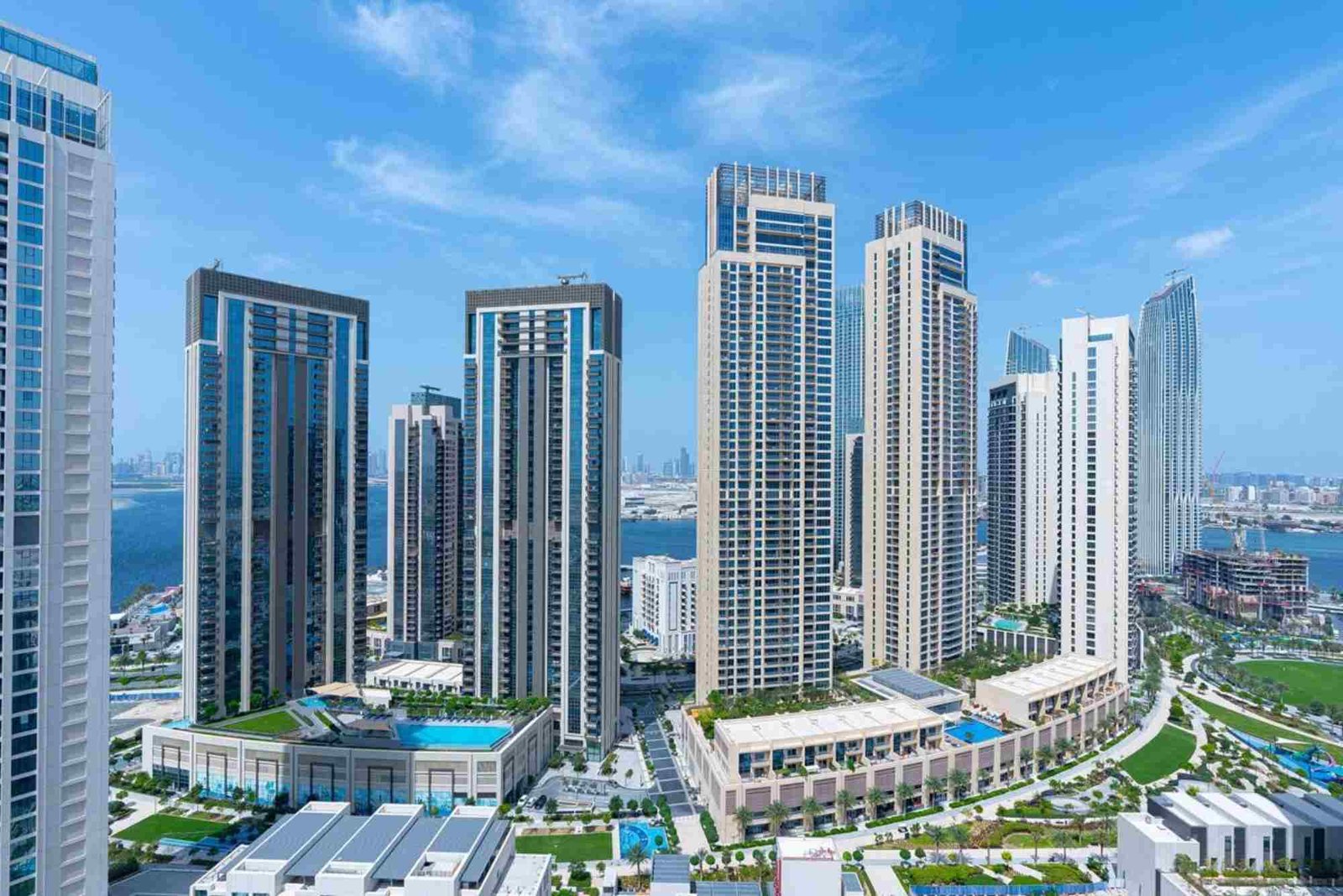
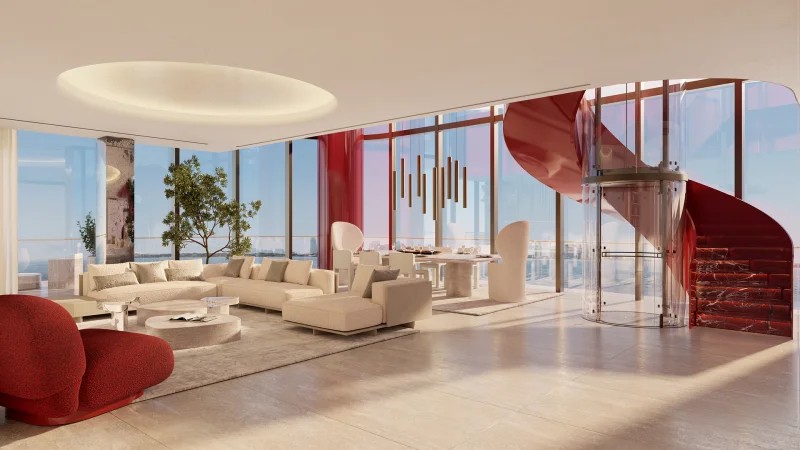
Urban housing is no longer defined only by square meters and location. Today, buyers and renters increasingly evaluate homes through experience, identity, and long-term usability. In market analyses, projects like Maison Margiela Homes are sometimes mentioned as illustrations of how creative concepts enter residential development, reflecting a broader shift toward lifestyle-oriented living environments.
From Shelter To Curated Living Experience
Modern residential projects often aim to deliver more than private space. Developers now focus on atmosphere, shared amenities, and community planning. This includes thoughtful lighting, multifunctional common areas, wellness zones, and flexible apartment layouts that adapt to remote work and changing family structures. The goal is not luxury for its own sake, but comfort combined with visual coherence and practical design.
When people compare different residential formats, several functional aspects tend to matter more than branding itself:
- building durability and sound insulation quality;
- energy efficiency and utility costs;
- management transparency and maintenance planning;
- accessibility to transport, schools, and services;
- safety systems and neighbourhood development trends.
In the middle of such comparisons, references to Maison Margiela Homes may appear simply as design-driven examples within the broader residential spectrum, rather than as promises of higher returns or better living standards.
Urban planners also highlight how well-designed residential spaces influence mental well-being. Natural light, green courtyards, walkable layouts, and community zones reduce stress and encourage social interaction. Research increasingly links thoughtful housing design with higher resident satisfaction and lower turnover rates.
Another important factor is adaptability. Homes that allow interior reconfiguration, smart-home upgrades, and sustainable materials tend to retain value better over time. As cities grow denser, flexible living solutions become essential for both young professionals and families.
Ultimately, while design narratives attract attention, the real foundation of a successful residential project remains practical: solid construction, fair management policies, and integration into the urban ecosystem. A visually striking concept can enhance daily life, but informed buyers benefit most from evaluating technical standards and long-term functionality before aesthetics.