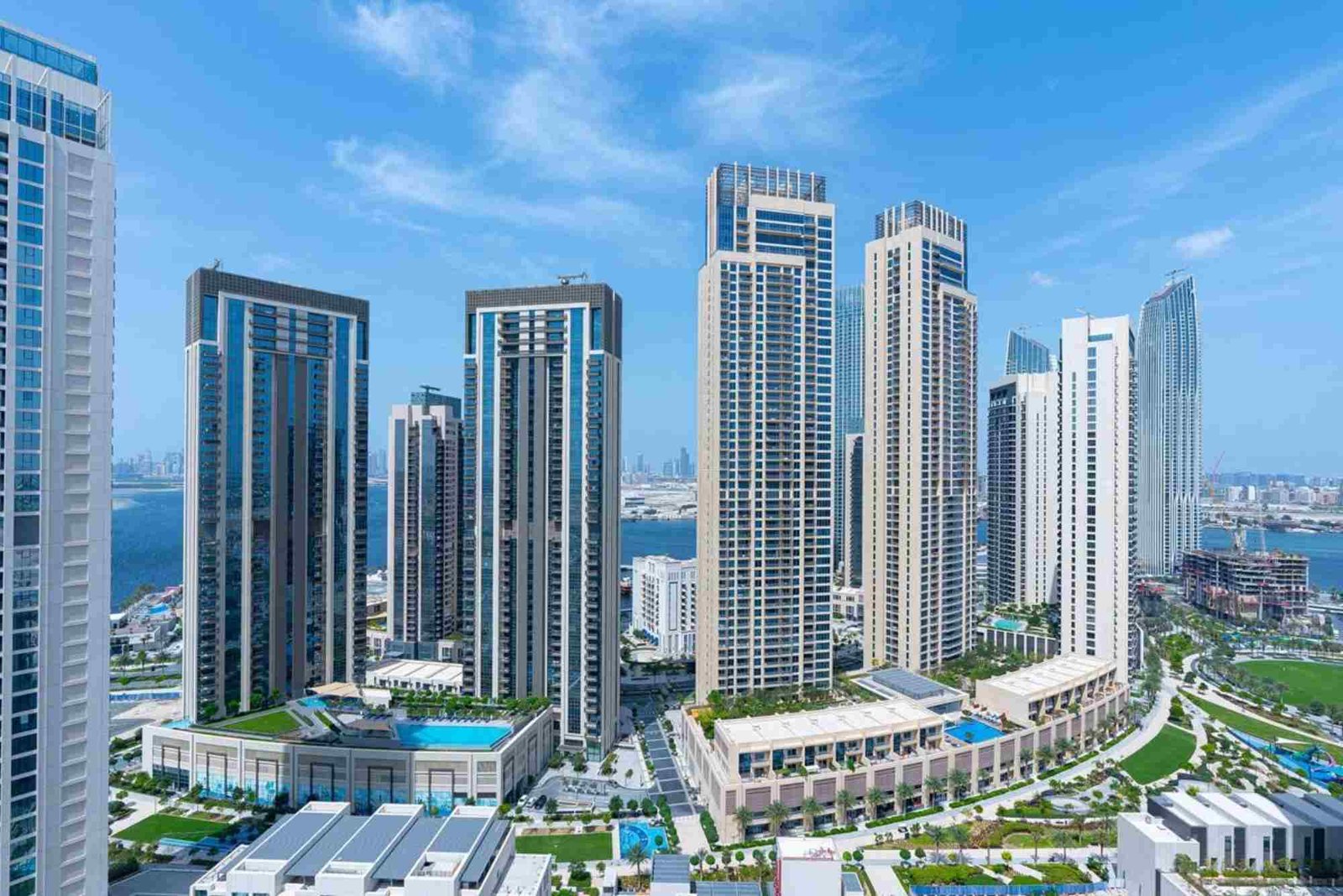
The Future of Commercial Real Estate in Dubai: Trends to Watch in 2026
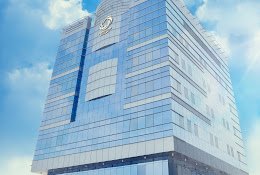
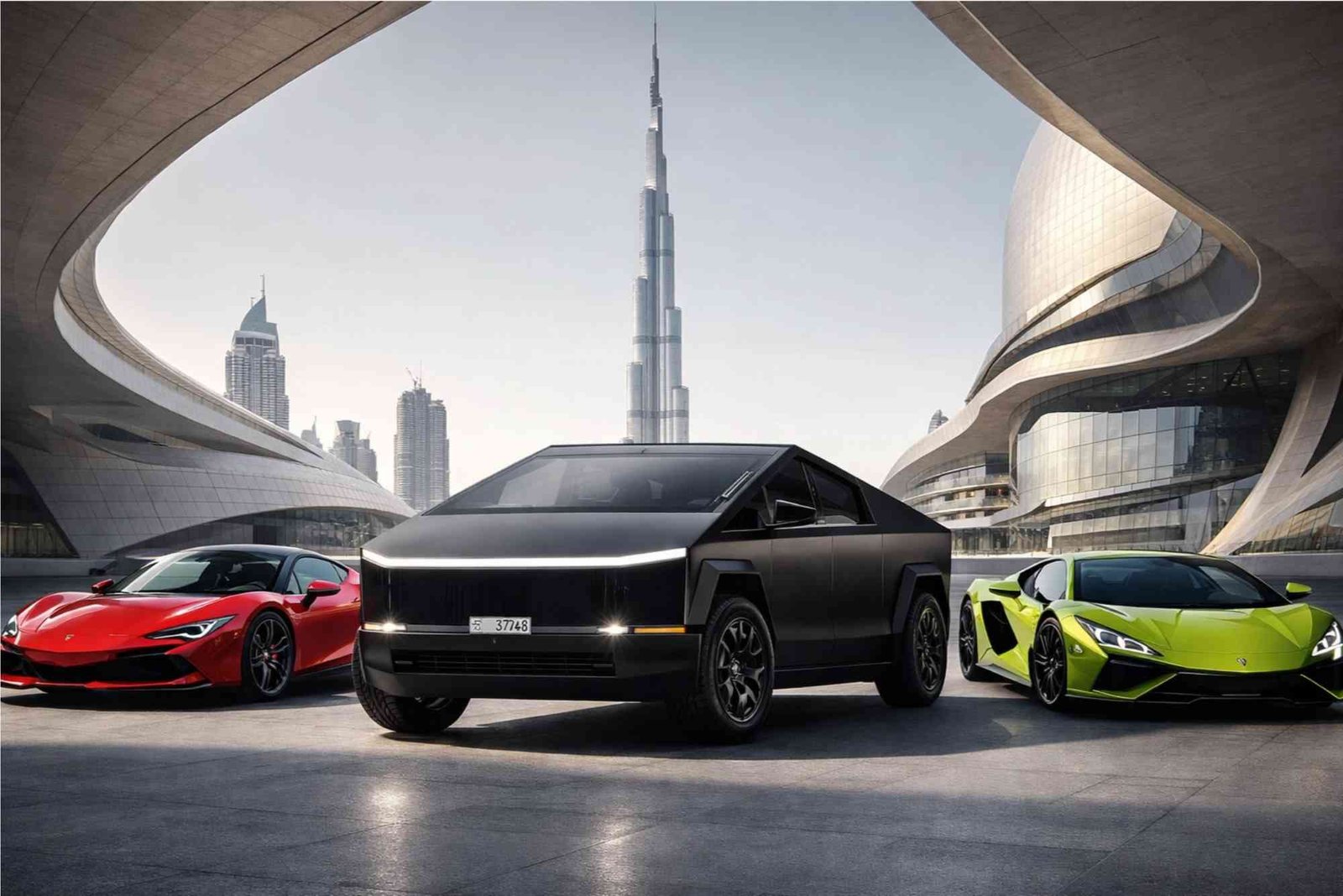
Dubai’s commercial real estate market has long been one of the most dynamic and closely watched in the world. Its combination of strategic location, business-friendly regulation, world-class infrastructure, and an increasingly diverse economy has attracted investors, occupiers, and developers from across the globe for decades. As 2026 unfolds, the market is evolving in response to shifting occupier demands, technological transformation, and a broader regional economic agenda that is reshaping how and where commercial space is used across the Emirates.
For investors and businesses monitoring opportunities across the region, understanding the emerging trends in Dubai’s commercial sector alongside the distinctive characteristics of Abu Dhabi commercial real estate provides the most complete picture of where the Gulf’s most significant property markets are heading and what those trajectories mean for investment decisions made today.
The Continued Rise of Mixed-Use Development
One of the most significant trends shaping commercial real estate in Dubai is the continued growth of mixed-use developments that integrate office, retail, hospitality, and residential space within a single, cohesive environment. Occupiers are increasingly drawn to locations that offer their employees and clients a complete urban experience rather than isolated commercial campuses that require travel for every non-work function.
Developers responding to this demand are creating destinations rather than simply buildings, with landscaped public spaces, food and beverage offerings, wellness facilities, and cultural programming all becoming standard components of ambitious commercial schemes. This trend is particularly pronounced in emerging districts where the opportunity to design from the ground up allows for a more integrated and intentional approach to placemaking.
Flexible and Hybrid Workspace Demand
The shift towards flexible working arrangements that accelerated globally in recent years has had a lasting effect on how businesses think about their office requirements in Dubai. Occupiers are increasingly seeking spaces that can accommodate fluctuating headcounts, support collaborative working styles, and offer lease terms with greater flexibility than the traditional long-term arrangements that once dominated the commercial market.
Serviced office and coworking operators have grown their presence significantly in response to this demand, and landlords of conventional office buildings are investing in upgrading their stock to compete with the amenity-rich, operationally flexible alternatives that
occupiers now regard as the benchmark. The quality of building management systems, air quality, natural light, and end-of-trip cycling and fitness facilities have all become meaningful factors in occupier decision-making at a level that was less apparent in previous market cycles.
Sustainability as a Commercial Imperative
Environmental performance has moved from a supplementary consideration to a core requirement for an increasing proportion of commercial occupiers in Dubai. Corporate sustainability commitments, pressure from international headquarters, and the growing expectations of employees who want to work in buildings that reflect their values are all driving demand for commercial space with strong green credentials.
Buildings with recognised sustainability certifications are attracting the strongest occupier interest and commanding rental premiums that reflect the genuine scarcity of high-quality, certified stock relative to overall demand. Landlords who have invested in upgrading the environmental performance of their assets are finding that this investment is now clearly rewarded in occupancy rates and achievable rents, while those with older, less efficient stock face growing pressure to retrofit or accept a widening gap in their competitive position.
Technology and Smart Building Integration
The integration of smart building technology into commercial real estate is accelerating across Dubai, with occupiers expecting a level of digital connectivity, operational intelligence, and user experience that places significant demands on building owners and managers. Access control, energy management, space utilisation monitoring, and tenant experience platforms are all becoming standard expectations rather than premium additions in high-quality commercial buildings.
For investors, the technology infrastructure of a building is an increasingly important component of its long-term value. Assets that can adapt to evolving occupier technology requirements without prohibitive capital expenditure are better positioned to retain occupancy and maintain rental performance over time than those whose infrastructure cannot keep pace with changing expectations.
Retail and Hospitality Within the Commercial Mix
The commercial real estate market in Dubai continues to benefit from the strength of the emirate’s tourism economy and its position as a regional hub for business travel and events. Demand for high-quality hospitality space, experiential retail, and food and beverage concepts remains robust, supporting the mixed-use developments that are increasingly defining the character of the most sought-after commercial districts.
Investors who understand how these different asset classes interact within a mixed-use environment, and who can assess the contribution each component makes to the overall performance and resilience of a scheme, are best positioned to identify the opportunities in
Dubai’s commercial market that offer the most compelling combination of income stability and long-term capital growth potential
Boost your online presence with UAE Stars, your go-to platform for the latest trends, services, and business insights in the UAE. Explore expert guides, top recommendations, and valuable resources to stay ahead. Discover everything you need in one place by visiting their homepage here: and experience a seamless journey through UAE’s premier services and updates.