Introduction
Keeping your dog’s mouth clean is an important part of responsible pet care. Learning how to clean dog teeth at home can help control plaque, support healthy gums, improve breath, and reduce the risk of periodontal disease. Dental disease is extremely common in dogs, and plaque can begin accumulating soon after eating. Without regular care, that plaque can harden into tartar and contribute to inflammation and infection around the teeth.
The good news is that home dental care does not have to be complicated. A suitable dog toothbrush, pet-safe toothpaste, patience, and a consistent routine can make a meaningful difference. However, home brushing cannot remove established tartar beneath the gumline, so it should complement—not replace—professional veterinary dental care.
Why Learning How to Clean Dog Teeth at Home Matters
A dog’s teeth are exposed to bacteria and food particles every day. When plaque remains on the tooth surface, bacteria can multiply and trigger inflammation of the gums. This early stage is commonly called gingivitis. If the process continues, infection can affect the tissues and structures supporting the teeth, developing into periodontal disease.
Periodontal disease can cause red or swollen gums, persistent bad breath, discomfort while eating, loose teeth, and eventual tooth loss. Dental problems can also be painful even when a dog continues eating normally, which means owners may not recognize the problem until it has progressed.
For this reason, how to clean dog teeth at home is not simply a grooming question. It is part of preventive healthcare.
What Happens When Plaque Is Not Removed?
Plaque is a soft, sticky film containing bacteria that forms on the teeth. Regular brushing physically disrupts this film before it can accumulate. If plaque remains, minerals in saliva can contribute to the formation of hardened tartar, also called calculus.


Tartar is more difficult to remove than fresh plaque. Once significant tartar has developed, trying to scrape it away at home can damage the tooth or gums and may leave disease beneath the gumline untreated.
That is why prevention is much easier than trying to reverse advanced dental disease. Consistent brushing focuses on stopping new plaque from accumulating rather than attempting to remove established dental calculus.
How to Clean Dog Teeth at Home Safely
The most effective home approach is regular tooth brushing with equipment specifically designed for dogs. Daily brushing is generally considered ideal, while brushing several times each week is still more useful than doing it occasionally. Veterinary guidance emphasizes consistency because plaque continually reforms.
Choose a Dog-Safe Toothbrush
A soft-bristled toothbrush designed for dogs is a practical choice. Some owners prefer a small pet toothbrush, while others find a finger brush easier when introducing dental care.
The important point is comfort. You do not need to scrub aggressively. Gentle brushing along the outer surfaces of the teeth is usually easier for dogs to tolerate and allows you to concentrate on areas where plaque commonly collects.
Use Toothpaste Made for Dogs
Never substitute ordinary human toothpaste for dog toothpaste. Dogs generally swallow toothpaste instead of rinsing and spitting it out, and some human formulations contain ingredients that can be harmful to dogs, including xylitol.
Dog-specific toothpaste is formulated with canine use in mind and is available in flavors that may make brushing easier. If you are unsure which product is appropriate, ask your veterinarian.
The Veterinary Oral Health Council, or VOHC, also maintains a list of products accepted for helping control plaque and/or tartar in dogs. Its current accepted-product categories include dental diets, edible chews, water additives, toothpaste, toothbrushes, and wipes.
How to Introduce Your Dog to Tooth Brushing
Trying to brush every tooth during the first session can turn dental care into a struggle. A gradual introduction usually works better.
Start by allowing your dog to investigate the toothbrush and smell the toothpaste. You can place a small amount of dog toothpaste on your finger and let your dog taste it. Once your dog accepts that, gently touch the lips and gums before introducing the brush.
Keep early sessions short. A few seconds of successful brushing is better than forcing a long session that makes your dog anxious.
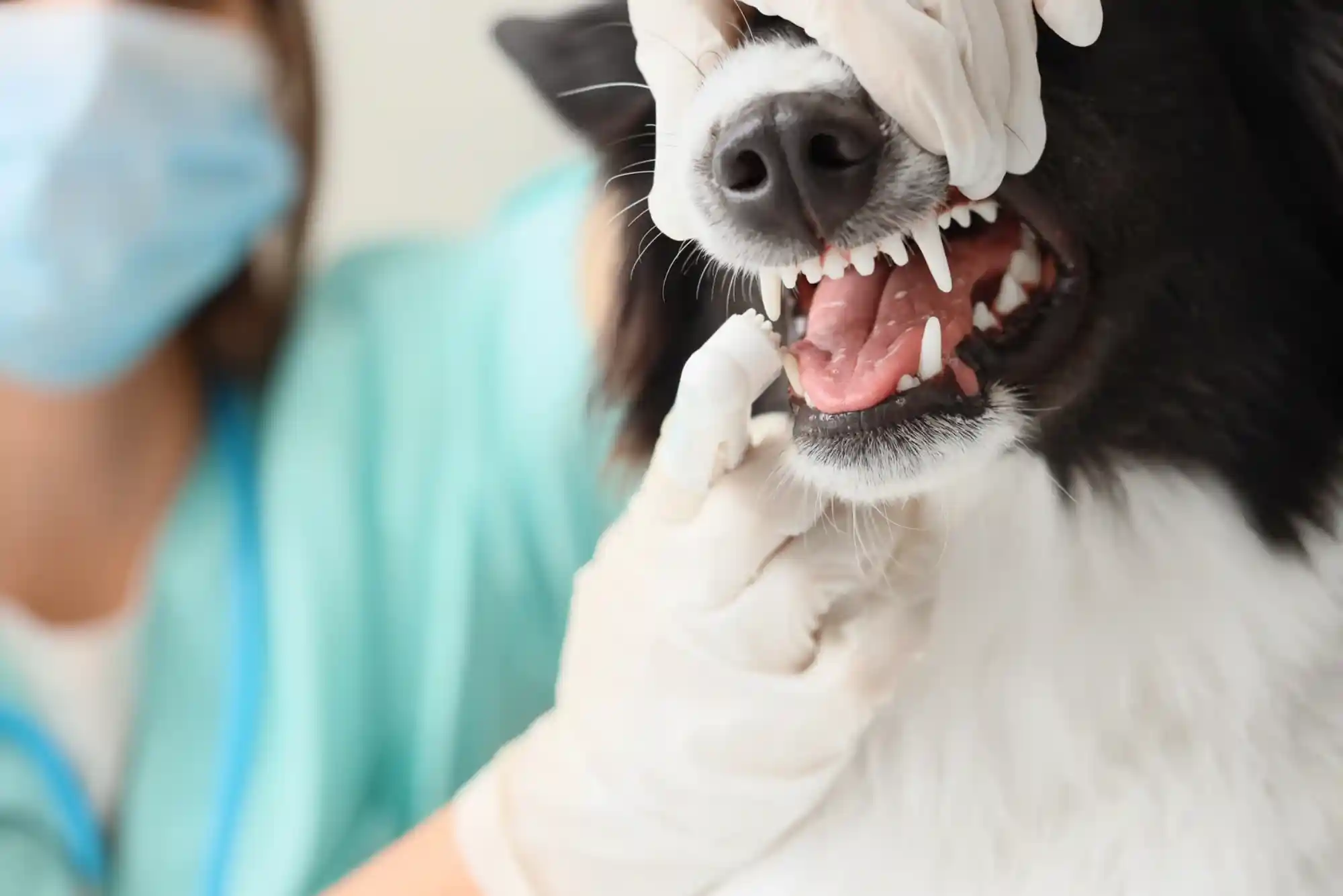
As your dog becomes comfortable, gently lift the lip and brush the outer surfaces of the teeth. You generally do not need to force the mouth wide open. Modern veterinary guidance notes that lifting the lip and concentrating on the outer surfaces can be an effective and more comfortable approach for many dogs.
Over time, gradually increase the brushing time until dental care becomes an ordinary part of your dog’s routine.
How Often Should You Clean Dog Teeth?
When discussing how to clean dog teeth at home, frequency matters as much as technique.
Daily brushing is the ideal goal because it gives you the best opportunity to disrupt plaque consistently. If daily brushing is unrealistic, brushing several times per week is still worthwhile. Veterinary guidance commonly recommends daily brushing while recognizing that a few sessions each week can provide meaningful preventive benefits.
Think of dental care as a routine rather than an occasional deep-cleaning project. A short, calm brushing session performed regularly is more useful than an aggressive session once every few weeks.
What If Your Dog Refuses a Toothbrush?
Some dogs immediately resist having a brush near their mouth. This does not mean dental care is impossible.
Go back a step and make the experience easier. Let your dog lick a small amount of dog toothpaste from your finger. Later, gently rub the outside of the teeth with your finger. Once your dog accepts that contact, introduce the toothbrush.
Positive reinforcement can also help. Praise your dog after each successful attempt and keep sessions brief. The goal is to create an association between dental care and a calm, rewarding experience.
For dogs that continue to resist brushing, certain dental chews, wipes, diets, gels, and water additives may provide additional plaque or tartar control. Look for products with credible dental claims, such as those carrying the VOHC Seal of Acceptance, and discuss choices with your veterinarian.
These alternatives should generally be viewed as support for a complete dental routine rather than an automatic replacement for brushing.
Can Dental Chews Replace Brushing?
Dental chews can be useful, but they should not automatically be considered equivalent to brushing.
The VOHC evaluates products according to specific claims related to plaque and tartar control, and its accepted dog products include several types of dental chews and diets.
A dental chew can provide mechanical action as a dog chews, while some products are designed to support oral hygiene through specific formulations. However, brushing directly disrupts plaque on tooth surfaces and remains a central part of home dental care.
Your veterinarian can help you choose dental products appropriate for your dog’s size, age, chewing habits, and existing oral condition.
Signs Your Dog May Already Have Dental Disease
Knowing how to clean dog teeth at home is useful, but owners also need to recognize when home care is no longer enough.
Persistent bad breath is often one of the earliest noticeable signs of dental disease. Other warning signs can include red or bleeding gums, visible yellow or brown tartar, loose teeth, excessive drooling, pawing at the mouth, difficulty chewing, dropping food, or reluctance to eat.
If your dog has significant tartar, painful gums, loose teeth, or other concerning symptoms, schedule a veterinary examination rather than attempting to scrape the teeth yourself.
Professional dental cleaning is important because disease can exist below the gumline where a toothbrush cannot reach. Veterinary dental procedures can allow the mouth to be thoroughly examined and cleaned, with dental X-rays used when appropriate.
Why Home Brushing Cannot Replace Professional Dental Care
Home dental care is preventive. It is not a complete treatment for established periodontal disease.
A toothbrush can help control new plaque on accessible tooth surfaces, but it cannot safely clean deep periodontal pockets or remove substantial hardened tartar below the gumline. Veterinary professionals can evaluate areas that cannot be properly assessed during an ordinary home brushing session.
AAHA explains that professional veterinary cleanings, dental X-rays, anesthesia when required, and daily home care all have roles in maintaining oral health.
This combination is important. Professional care addresses existing disease, while regular home care helps slow future plaque accumulation.
Common Mistakes to Avoid
One of the most serious mistakes is using human toothpaste. Even if your dog’s toothpaste is temporarily unavailable, it is better to wait until you have a product specifically formulated for dogs.
Another mistake is brushing too aggressively. Excessive pressure can irritate the gums and make your dog associate brushing with discomfort.
Trying to remove hardened tartar with household tools is also a bad idea. You may injure the gums or damage the tooth surface while failing to treat disease under the gumline.
Finally, do not assume fresh breath automatically means healthy teeth. Breath odor can be an early indication of dental disease, and some dogs can have significant oral problems without obvious changes in appetite.
A Simple Home Dental Routine
A practical routine starts with a dog-safe toothbrush and toothpaste. Choose a quiet time when your dog is relaxed. Let your dog taste the toothpaste, gently lift the lip, and brush the outer surfaces of the teeth with small, gentle movements.
Pay particular attention to the gumline and the larger teeth toward the back of the mouth. Keep the session positive and stop if your dog becomes distressed.
As your dog becomes comfortable, aim for daily brushing. If that is not realistic, establish a consistent schedule several times a week and supplement it with appropriate dental products recommended by your veterinarian.
The objective is not perfection. It is creating a routine you and your dog can maintain.
FAQs
How can I clean my dog’s teeth at home?
The simplest approach is regular brushing with a soft dog toothbrush and toothpaste formulated specifically for dogs. Start gradually, keep sessions gentle, and build toward daily brushing. Dental chews, wipes, diets, and other accepted products may provide additional support, but they do not eliminate the need for veterinary evaluation when disease is already present.
How often should I brush my dog’s teeth?
Daily brushing is the ideal target because plaque continually reforms. If you cannot brush every day, brushing several times per week is still beneficial and is preferable to brushing only occasionally.
Can I use human toothpaste on my dog?
No. Human toothpaste is not designed to be swallowed by dogs and may contain ingredients that are unsafe for them. Some products can contain xylitol, which is particularly dangerous to dogs. Use toothpaste specifically labeled for dogs instead.
What can I use to clean my dog’s teeth if they hate brushing?
Begin with gradual training and allow your dog to become comfortable with touching around the mouth. If brushing remains difficult, veterinarian-approved dental wipes, chews, diets, water additives, or gels can provide additional oral-care support. VOHC maintains an updated list of accepted products for dogs.
Can I remove tartar from my dog’s teeth at home?
Home brushing is intended primarily to control plaque and prevent new buildup. Hardened tartar, especially below the gumline, generally requires professional veterinary dental treatment. Trying to scrape it away yourself can injure the mouth and does not address hidden periodontal disease.
What are the signs of periodontal disease in dogs?
Bad breath, red or bleeding gums, visible tartar, loose teeth, difficulty chewing, excessive drooling, and changes in eating behavior can indicate dental disease. If you notice these signs, arrange a veterinary examination rather than relying solely on home care.
Learning how to clean dog teeth at home gives you a practical way to support your dog’s oral health every day. Regular brushing with dog-safe toothpaste can help control plaque, while appropriate dental products can provide additional support. The key is consistency, patience, and using products designed for dogs.