Introduction
Choosing the Best Winter Dog Coats and Waterproof Boots for Cold Weather helps protect your dog from freezing temperatures, rain, snow, and icy surfaces. Winter walks can become uncomfortable when your pet lacks proper protection. Therefore, suitable clothing and footwear can make outdoor activities safer and more enjoyable.
Not every dog needs a heavy winter coat. However, small breeds, short-haired dogs, puppies, senior dogs, and pets with certain health conditions may struggle in cold weather. Waterproof boots can also protect sensitive paws from moisture, ice, rough surfaces, and road salt.
Finding the right winter gear requires attention to fit, insulation, waterproofing, and comfort. This guide explains how to choose practical winter clothing and footwear for your dog’s individual needs.
Why Dogs Need Winter Coats and Waterproof Boots
Dogs have different levels of protection against cold weather. Breeds with thick double coats often tolerate lower temperatures better than short-haired breeds. Nevertheless, every dog can experience discomfort when exposed to harsh conditions.
A well-fitted winter coat helps retain body heat while reducing exposure to wind and moisture. Waterproof materials are especially useful during rainy walks and wet snowfall. Breathable linings can also help prevent overheating during exercise.
Waterproof dog boots provide another layer of protection. Cold pavement, sharp ice, and deicing chemicals can irritate paw pads. Boots reduce direct contact with these hazards and help keep paws cleaner.


However, winter accessories cannot replace sensible outdoor routines. Monitor your dog closely and shorten walks when temperatures become uncomfortable.
How to Choose the Best Winter Dog Coats and Waterproof Boots for Cold Weather
Selecting appropriate winter gear involves more than choosing an attractive design. Your dog’s size, coat type, activity level, and local weather should guide your decision.
Choose the Right Insulation
Insulation is essential when temperatures drop significantly. Fleece-lined coats provide lightweight warmth for everyday winter walks. Padded jackets offer additional protection for colder conditions.
Dogs with thin coats may benefit from insulated designs that cover their chest and back. In contrast, heavily coated breeds might need lighter clothing during active exercise. Consider your dog’s natural insulation before purchasing a thick jacket.
Prioritize Waterproof and Windproof Materials
Winter weather often combines cold temperatures with rain and strong winds. Therefore, look for coats with water-resistant or waterproof outer fabrics. Sealed seams and adjustable closures can improve protection against moisture.
Remember that water-resistant and waterproof are not identical. Water-resistant materials handle light moisture, while waterproof construction offers stronger protection when properly designed. Check the manufacturer’s specifications before buying.
Find a Comfortable Fit
A winter coat should fit securely without restricting movement. Measure your dog’s neck, chest, and back according to the manufacturer’s sizing instructions. Chest girth is particularly important because a coat that fits the back may still feel tight around the body.
Your dog should walk, sit, and turn comfortably while wearing the jacket. Avoid clothing that rubs the armpits or presses against the neck. Adjustable straps can provide a more customized fit.
Select Boots with Reliable Grip
The best winter dog boots combine paw protection with a secure fit. Look for flexible soles that provide traction on wet pavement and packed snow. Adjustable closures can help prevent boots from slipping off during walks.
Avoid footwear that feels excessively stiff or heavy. Your dog needs to move naturally while wearing it. Introduce boots gradually so your pet can become comfortable with the unfamiliar sensation.
Best Types of Winter Dog Coats for Different Needs
Different coat styles serve different purposes. Understanding these differences makes shopping easier and helps you avoid unnecessary purchases.
Insulated Winter Jackets
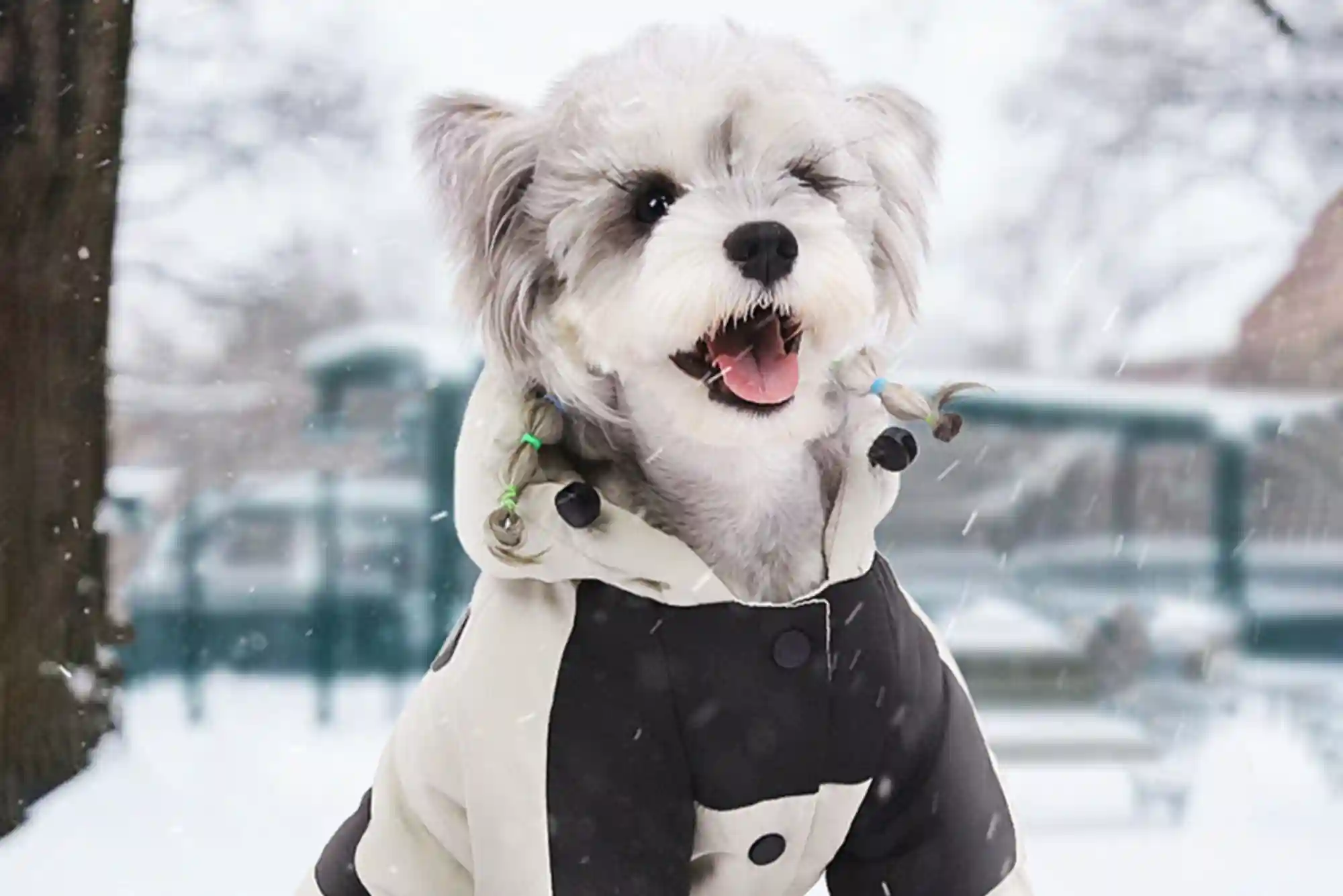
Insulated jackets are suitable for dogs that need additional warmth during cold outdoor activities. They often feature padded interiors and protective outer fabrics. Some designs also include chest coverage and reflective details.
These jackets work particularly well for short-haired dogs and pets that become uncomfortable quickly. Choose a lightweight option for active walks and a warmer design for colder conditions.
Waterproof Raincoats
Waterproof raincoats help keep your dog dry during wet winter weather. They usually feature lightweight construction and offer less insulation than padded jackets. Consequently, they may work best in mild temperatures or alongside a suitable insulating layer.
A raincoat is useful for dogs that dislike getting wet. It can also make post-walk cleaning easier by reducing moisture and dirt on the coat.
Fleece-Lined Coats
Fleece-lined coats provide soft insulation for chilly mornings and evening walks. They can be comfortable for dogs that need moderate warmth without bulky clothing.
However, fleece alone does not guarantee waterproof protection. If your area experiences heavy rain or wet snow, select a coat with a protective outer shell.
Full-Coverage Winter Suits
Some dogs benefit from clothing that covers more of their body. Full-coverage suits can protect the chest, belly, and legs from cold weather and splashing water.
These designs may suit small dogs or pets with very little body hair. Nevertheless, ensure the material allows unrestricted movement and bathroom breaks.
How to Choose Waterproof Boots for Winter Walks
Dog boots should protect the paws without causing discomfort. The right pair depends on the walking surface, weather conditions, and your dog’s willingness to wear footwear.
Measure Your Dog’s Paws Correctly
Place your dog’s paw on a piece of paper while the dog stands naturally. Mark the widest points and measure the paw’s length and width. Follow the brand’s sizing chart because boot dimensions vary between manufacturers.
Check whether the sizing instructions include weight recommendations. Weight alone is not a reliable way to determine the correct boot size.
Look for Waterproof Construction
Waterproof boots help prevent wet paws during rainy walks and contact with melting snow. Materials should resist moisture while remaining flexible enough for natural movement.
After each walk, remove the boots and check your dog’s paws. Moisture trapped inside footwear can cause irritation if the paws remain damp for long periods.
Consider Traction and Durability
Rubberized soles can improve grip on slippery surfaces. Durable materials may also protect paws from rough pavement and small pieces of ice.
However, no dog boot guarantees complete protection against slipping. Walk carefully on icy surfaces, particularly when your dog is unfamiliar with footwear.
Introduce Boots Gradually
Many dogs initially resist wearing boots. Start by letting your pet sniff and investigate them. Then, put one boot on for a short period indoors.
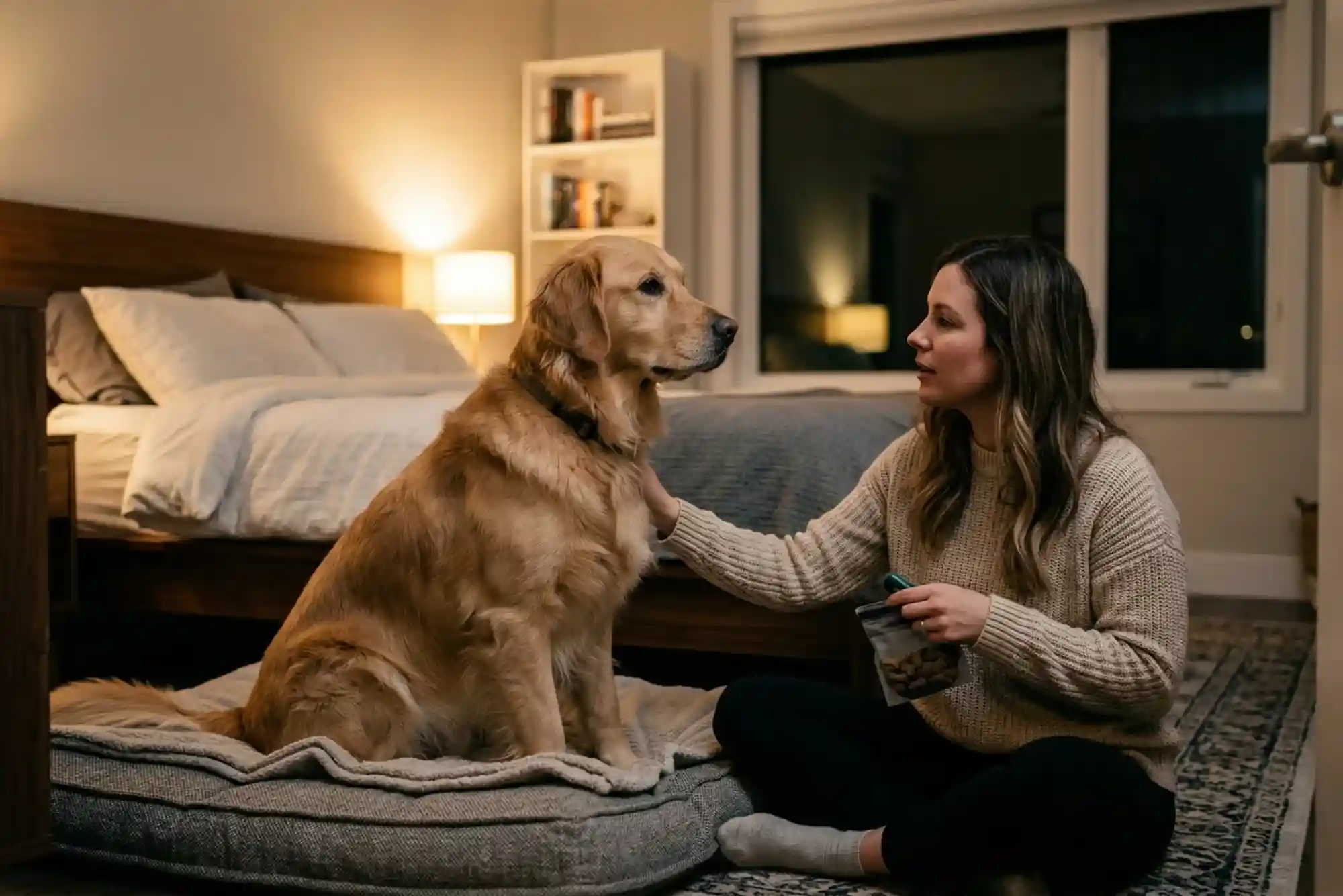
Reward calm behavior with treats and praise. Gradually introduce the remaining boots and practice walking inside. Once your dog moves comfortably, try a brief outdoor walk.
If your dog continues to limp, freeze, or show distress, remove the boots and reassess their fit.
Essential Features to Check Before Buying
When comparing the Best Winter Dog Coats and Waterproof Boots for Cold Weather, consider how each product performs during everyday use. Warmth matters, but comfort and practicality are equally important.
Look for adjustable fastenings, easy-to-clean materials, reflective elements, and durable stitching. Reflective details improve visibility during dark winter mornings and evenings. However, they should complement a leash, collar, or harness rather than replace them.
For coats, check whether the design allows comfortable harness attachment. Some jackets include dedicated openings, while others may require wearing the harness over the garment.
For boots, examine the closures and sole flexibility. Secure fastenings reduce the chance of losing footwear during walks. Nevertheless, closures should never become so tight that they restrict circulation.
Always follow the manufacturer’s washing and maintenance instructions. Clean winter gear regularly and inspect it for worn seams, damaged fasteners, or rough edges.
Common Winter Clothing Mistakes Dog Owners Should Avoid
Buying oversized clothing is a common mistake. A loose coat can shift during movement and expose your dog’s body to cold air. Similarly, tight clothing can restrict movement and cause rubbing.
Another mistake is assuming every dog needs the thickest available jacket. Excessive insulation can make active dogs uncomfortable, especially when temperatures rise. Choose clothing according to the weather and your dog’s activity level.
Some owners also expect boots to solve every winter paw problem. Boots can become uncomfortable when improperly fitted or worn for too long without inspection. Check for redness, swelling, trapped debris, and moisture after walks.
Finally, never ignore signs of cold stress. Shivering, lifting paws repeatedly, slowing down, or seeking shelter can indicate discomfort. Move your dog somewhere warm and contact a veterinarian if symptoms are severe or persistent.
Frequently Asked Questions
Do dogs really need winter coats?
Some dogs need winter coats, while others tolerate cold weather without them. Small breeds, short-haired dogs, puppies, senior dogs, and pets with health conditions may benefit from additional warmth. Consider the temperature, wind, activity level, and your dog’s behavior.
What temperature is too cold for dogs?
There is no single temperature that is unsafe for every dog. Small, thin-coated, young, and older dogs may become uncomfortable sooner than healthy dogs with thick coats. Wind, dampness, and exposure time also matter. Watch your pet closely and ask your veterinarian for breed-specific guidance.
Are waterproof boots good for dogs in winter?
Waterproof boots can protect paws from wet snow, rain, road salt, and rough surfaces. They are particularly useful when walking on treated pavements. Choose the correct size and inspect the paws after every walk.
How do I know if my dog’s winter coat fits properly?
A properly fitted coat allows your dog to walk, sit, and turn naturally. It should not press against the neck, rub the armpits, or restrict breathing. Check the manufacturer’s measurements and inspect your dog’s skin after wearing the coat.
Can dogs wear boots every day?
Dogs can wear well-fitted boots for regular walks when conditions require paw protection. However, inspect their paws frequently and remove the boots when they are no longer needed. Clean and dry the footwear after use to reduce moisture and irritation.
How long can dogs stay outside in winter?
Safe outdoor time depends on temperature, breed, coat thickness, age, health, and weather conditions. Short-haired dogs may need brief walks during particularly cold weather. Always supervise your dog and return indoors if it shows signs of discomfort.
Conclusion
Choosing the Best Winter Dog Coats and Waterproof Boots for Cold Weather starts with understanding your dog’s individual needs. A properly insulated coat helps maintain warmth, while waterproof boots protect paws from moisture, ice, and road salt.