
Introduction
Periodontal disease is one of the most common health problems affecting dogs today. Over eighty percent of dogs show signs of oral disease by age three. Maintaining your pet’s oral hygiene is vital for their overall longevity and comfort. Learning how to clean dog teeth at home: preventing periodontal disease helps keep your furry friend healthy, happy, and pain-free. Regular home care removes bacteria before it hardens into dangerous tartar and causes long-term organ damage.
Understanding Periodontal Disease in Dogs
Periodontal disease begins when plaque builds up on your dog’s teeth after eating. Plaque is a sticky film made of food particles and bacteria. If you do not remove plaque quickly, it hardens into calculus or tartar within forty-eight hours. Tartar irritates the gums, causing inflammation, redness, and swelling known as gingivitis.
As the disease progresses, bacteria spread underneath the gum line. This destroys the supportive tissues and bone holding the teeth in place. Advanced periodontal disease causes intense pain, tooth loss, and severe systemic health problems. Bacteria from the mouth can enter the bloodstream, affecting vital organs like the heart, liver, and kidneys. Prevention remains the safest and most effective strategy for your dog’s oral health.
Key Signs of Dental Problems in Dogs
Recognizing the early warning signs of dental disease allows you to intervene before permanent damage occurs. Bad breath is often the first indicator that bacteria are multiplying inside your dog’s mouth. Healthy dog breath should not smell foul or rotten.
You should regularly inspect your dog’s gums and teeth for visual indicators. Red, swollen, or bleeding gums signal active inflammation and early-stage disease. Yellow or brown buildup along the gum line shows that tartar has formed. Dogs experiencing dental pain may chew on one side, drop food while eating, or shy away from head touches. Loose teeth, excessive drooling, and sudden behavioral changes also indicate advanced dental issues requiring immediate veterinary attention.
Essential Tools for Home Dental Care
Before starting a dental routine, you need the right tools designed specifically for dogs. Human toothpaste contains harmful ingredients like xylitol and fluoride, which are toxic to dogs. Canine toothpaste comes in appealing flavors like chicken, peanut butter, and beef, making the process enjoyable for your pet.


Select a soft-bristled toothbrush sized appropriately for your dog’s mouth. Dual-headed brushes allow you to clean both sides of the tooth simultaneously. Finger brushes made of soft silicone work well for smaller dogs or puppies getting used to brushing. Dental wipes offer a quick alternative for dogs that resist traditional bristle brushes.
How to Clean Dog Teeth at Home: Preventing Periodontal Disease
Introducing dental care gradually ensures a smooth and stress-free experience for both you and your dog. Start by picking a quiet, comfortable space where your dog feels secure. Begin by letting your dog lick a small amount of enzymatic canine toothpaste off your finger. This builds a positive association with the taste and routine.
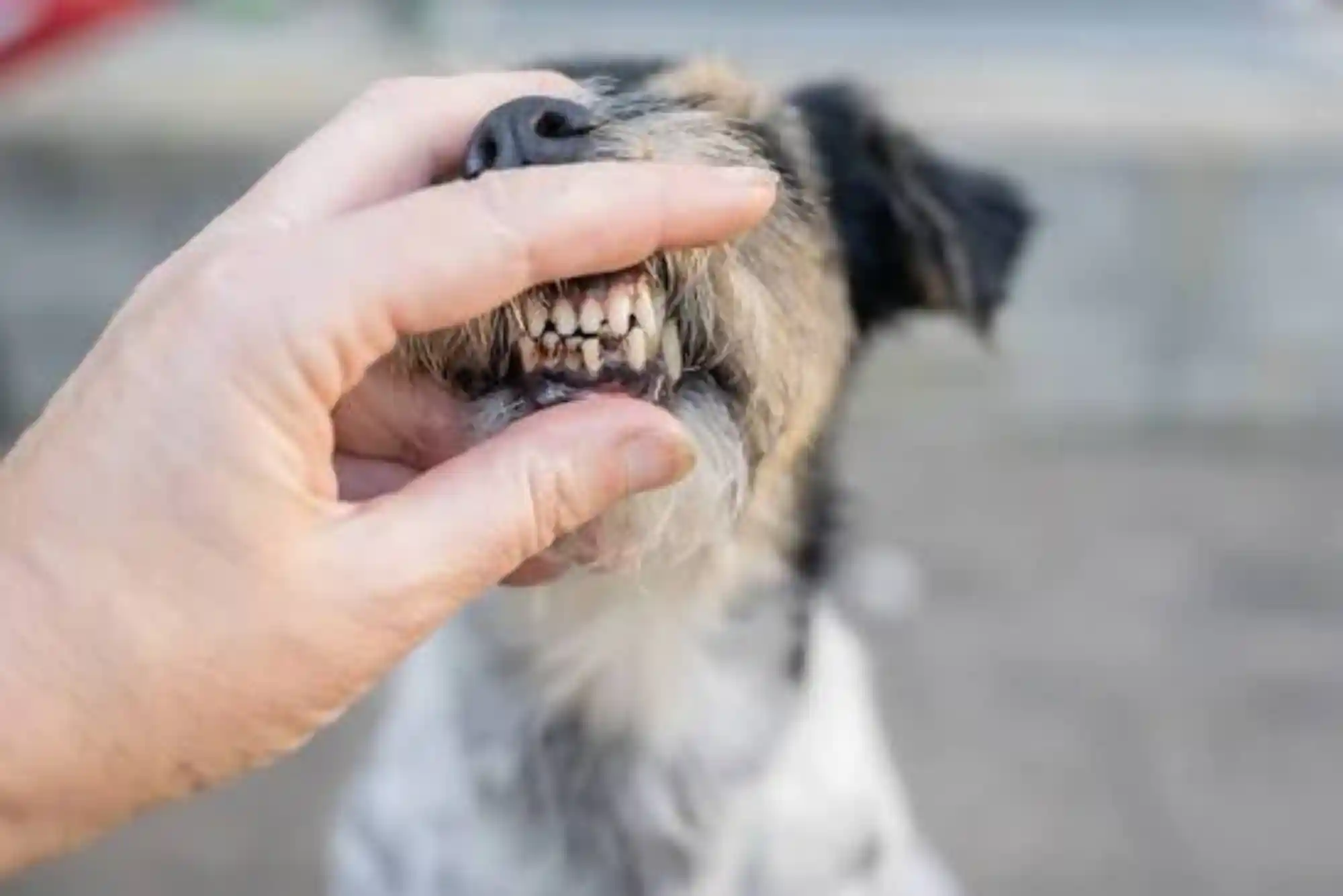
Next, gently lift your dog’s lips to expose their teeth and gums. Use your finger to rub their outer gum line gently for a few seconds. Once your dog accepts your finger, transition to using a finger brush or a soft-bristled toothbrush. Apply a small amount of dog toothpaste to the bristles.
Hold the brush at a forty-five-degree angle relative to the gum line. Use gentle, circular motions to clean the outer surfaces of the teeth. Focus primarily on the outside surfaces, where plaque accumulates most heavily. Target the upper back molars and canines, as these teeth attract the most tartar. Aim for thirty seconds of brushing per side, working up to a full minute daily. Always reward your dog with praise or a healthy treat immediately afterward to reinforce positive behavior.
Effective Alternatives to Daily Brushing
While daily brushing remains the gold standard, other products help support your dog’s oral health routine. Dental chews engineered to scrape plaque mechanically can reduce tartar accumulation over time. Look for chews approved by the Veterinary Oral Health Council to ensure safety and effectiveness.
Water additives provide a simple way to control bacteria in your dog’s drinking bowl. These solutions contain safe antibacterial agents that reduce plaque formation and freshen breath naturally. Dental sprays and gels can be applied directly to the gums for dogs that refuse brushing. Specialized dental diets featuring larger kibble sizes help scrape teeth clean through normal chewing.
When to Consult a Veterinarian
Home care effectively prevents plaque buildup, but it cannot safely remove existing hardened tartar. If your dog already has heavy tartar accumulation or severe inflammation, professional dental scaling is necessary. Veterinarians perform thorough cleanings under general anesthesia to clean beneath the gum line safely.
Schedule a veterinary exam if you notice bleeding gums, loose teeth, severe foul odor, or nasal discharge. Dogs showing signs of pain while eating need immediate professional evaluation. Annual dental checkups ensure potential problems are identified and treated before causing irreversible damage.
Frequently Asked Questions
How often should I clean my dog’s teeth at home?
You should brush your dog’s teeth daily for optimal health. Brushing three to four times a week still provides significant protection against plaque and tartar buildup.
Can I use baking soda to clean my dog’s teeth?
No, you should never use baking soda on your dog’s teeth. Baking soda has a high sodium content that can cause upset stomach or toxicity if swallowed in large quantities.
At what age should I start cleaning my dog’s teeth?
Start introducing mouth touch and brushing techniques when your dog is a puppy around eight to twelve weeks old. Early training helps puppies accept lifelong dental care comfortably.
Do dental treats replace regular brushing?
Dental treats help reduce plaque buildup, but they do not replace regular manual brushing. Brushing cleans along the gum line far more effectively than chews or treats alone.
Conclusion
Mastering how to clean dog teeth at home: preventing periodontal disease protects your pet’s overall well-being and extends their life. Consistent home care prevents painful infections, costly veterinary procedures, and serious systemic health complications. Start building a daily dental care routine today with dog-safe toothpaste and patience. Take control of your dog’s health today by checking their teeth and starting a simple daily brushing habit.