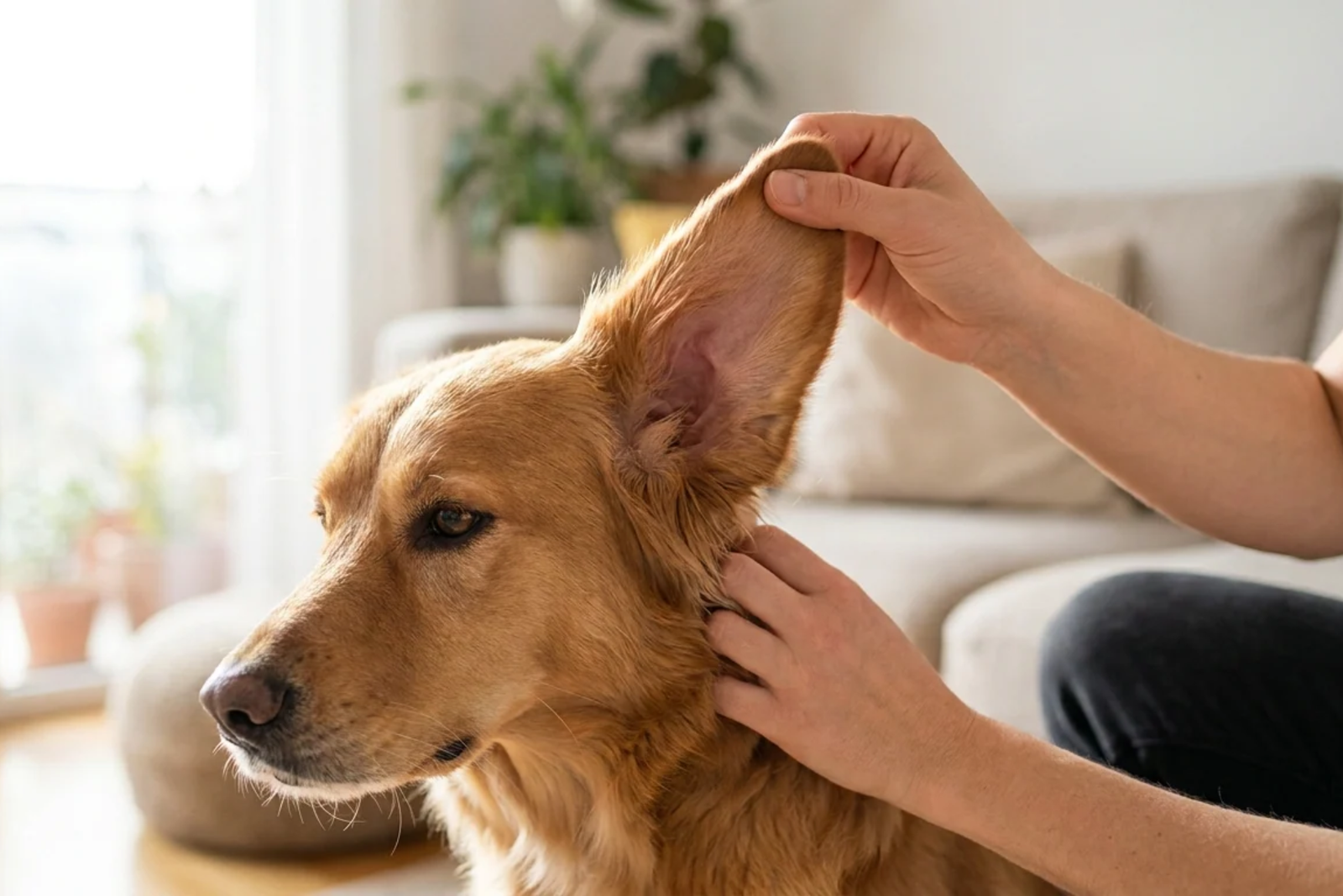
Signs of Dog Ear Infections: Yeast vs Bacterial and Home Cleaning
Introduction
Signs of Dog Ear Infections: Yeast vs Bacterial and Home Cleaning is an important topic for every responsible dog owner. Ear infections can cause discomfort, itching, redness, and unpleasant odours. Some dogs also develop discharge, swelling, or sensitivity around their ears.
However, not every ear infection has the same cause. Yeast infections and bacterial infections can produce similar symptoms, making them difficult to distinguish at home. Understanding their differences helps owners recognise problems early and seek appropriate veterinary care.
Proper ear cleaning can also support ear health. Nevertheless, cleaning alone cannot cure an established infection. The safest approach combines early recognition, veterinary diagnosis, appropriate treatment, and preventive care.
Understanding Dog Ear Infections
A dog’s ear canal creates a warm environment where moisture, wax, and microorganisms can accumulate. Under normal conditions, the ear maintains a healthy balance. However, allergies, trapped water, excessive wax, and underlying skin conditions can disrupt that balance.
When this happens, yeast or bacteria may multiply excessively. The resulting inflammation can make the ear painful and sensitive.
Dogs with floppy ears, narrow ear canals, allergies, or frequent swimming may experience recurring problems. However, any dog can develop an ear infection.


The signs of dog ear infections often appear gradually. Some dogs repeatedly scratch one ear, while others shake their heads throughout the day. Early attention can prevent worsening inflammation and reduce discomfort.
Signs of Dog Ear Infections: Yeast vs Bacterial
Yeast and bacterial infections share several symptoms. Both may cause redness, itching, discharge, odour, and pain. However, certain patterns can provide useful clues.
Signs of a Yeast Ear Infection in Dogs
Yeast infections commonly involve Malassezia, a microorganism that normally lives on canine skin. Problems develop when yeast overgrows, often because of moisture, allergies, or underlying skin inflammation.
A strong, musty, or sometimes sweet-smelling odour may accompany a yeast infection. The ear can appear greasy, with brown or dark waxy discharge. Some dogs develop thickened skin after repeated episodes.
Persistent scratching and head shaking are also common. Inflammation may affect both ears, particularly when allergies contribute to the problem.
Nevertheless, these symptoms do not confirm a yeast infection. Bacterial infections and mixed infections can look similar. A veterinarian may examine ear discharge under a microscope to identify the responsible microorganisms.
Signs of a Bacterial Ear Infection in Dogs
Bacterial ear infections occur when bacteria multiply within the ear canal. They may develop alongside yeast overgrowth or follow inflammation caused by allergies, moisture, or other conditions.
Affected ears may look red, swollen, and irritated. Discharge can appear yellow, cream-coloured, greenish, or pus-like. Some infections produce a strong, unpleasant smell.
Pain can be especially noticeable. A dog might pull away when someone touches the ear or cry during examination. Severe inflammation may make the ear canal narrower.
However, discharge colour and smell cannot reliably distinguish bacterial infections from yeast infections. Veterinary examination and laboratory testing provide more dependable answers.
Comparing Yeast and Bacterial Ear Infections
The following table summarises common patterns. These are general clues rather than definitive diagnostic rules.
| Feature | Yeast Infection | Bacterial Infection |
|---|---|---|
| Common discharge | Brown, dark, or waxy | Yellow, cream, greenish, or pus-like |
| Odour | Musty or sometimes sweet | Often strong or unpleasant |
| Itching | Frequently noticeable | Common |
| Redness | Common | Common, sometimes severe |
| Ear pain | Possible | May be pronounced |
| Skin changes | Greasy or thickened skin | Swelling and inflamed tissue |
| Diagnosis | Ear examination and microscopy | Ear examination and microscopy |
| Treatment | Veterinarian-prescribed antifungal medication | Veterinarian-prescribed antibacterial medication when indicated |
Both infections can occur together. Therefore, owners should not choose medication based only on these visible signs.
Other Symptoms That Require Attention
Some symptoms suggest that an ear problem may be becoming more serious. Recognising them early helps prevent complications.
Head Shaking and Persistent Scratching
Frequent head shaking often indicates irritation inside the ear. Repeated scratching can damage the skin and create painful sores.
Dogs may also rub their ears against carpets or furniture. These behaviours deserve attention, particularly when they continue for several hours or return repeatedly.
Redness, Swelling, and Discharge
Healthy ears should not remain noticeably swollen, painful, or inflamed. Excessive discharge may indicate infection, irritation, mites, or another underlying condition.
Avoid removing deep discharge with cotton buds. This can push debris further into the canal or injure delicate tissue.
Balance Problems and Head Tilting
Head tilting, stumbling, unusual eye movements, or loss of balance can indicate deeper ear involvement or another neurological problem.
Seek urgent veterinary assessment if these symptoms appear. Sudden severe pain, facial weakness, or an inability to walk normally also requires prompt attention.
How to Clean Your Dog’s Ears Safely at Home
Home ear cleaning can help remove excess wax and debris. It may also reduce moisture accumulation in dogs prone to ear problems. However, cleaning is not a substitute for treatment when an infection is present.
Choose a Dog-Safe Ear Cleaner
Use a veterinary-approved ear-cleaning solution suitable for dogs. Ask your veterinarian which product is appropriate if your dog has recurring infections, sensitive skin, or a history of ear disease.
Avoid hydrogen peroxide, rubbing alcohol, vinegar mixtures, essential oils, and homemade remedies. These substances may irritate inflamed tissue and cause significant discomfort.
Do not use ear cleaners without veterinary guidance if the eardrum may be damaged.
Clean Only the Accessible Area
Begin by letting your dog smell the cleaning solution. Gently lift the ear flap and follow the product instructions.
If your veterinarian has confirmed that the eardrum is intact, the recommended cleaner can usually be placed into the canal as directed. Massage the base of the ear gently, allowing your dog to shake its head.
Wipe away loosened debris from the visible outer ear with soft gauze or a cotton pad. Never insert cotton buds, fingers, or other objects deeply into the canal.
Stop immediately if your dog experiences significant pain or distress. An inflamed ear may require professional cleaning instead.
How Often Should You Clean Your Dog’s Ears?
Cleaning frequency depends on your dog’s ear shape, skin health, activity, and medical history. Some dogs need occasional cleaning, while others require a veterinarian-directed routine.
Overcleaning can irritate the ear canal and disrupt its natural protective environment. Therefore, avoid daily cleaning unless your veterinarian specifically recommends it.
Dogs that swim frequently may benefit from an appropriate drying and cleaning routine. However, products should only be used when suitable for the dog’s ear condition.
Veterinary Treatment for Dog Ear Infections
Treatment depends on the infection’s cause, severity, and location. A veterinarian will examine the ear canal and may collect a sample for microscopic evaluation.
Treatment for Yeast Infections
Yeast infections are commonly treated with prescribed antifungal ear medication. The veterinarian may also recommend cleaning to remove excessive wax and discharge.
Recurring infections often require investigation into allergies or other skin conditions. Without addressing these underlying factors, symptoms may return after treatment.
Treatment for Bacterial Infections
Bacterial infections may require prescription antibiotic ear medication. Some cases need additional anti-inflammatory treatment to reduce swelling and pain.
Severe, recurrent, or complicated infections may require bacterial culture and sensitivity testing. This helps identify the organism and determine which medications are likely to work.
Never use leftover antibiotics or another pet’s ear medication. The wrong treatment may delay recovery or worsen irritation.
Why Follow-Up Care Matters
Complete the prescribed treatment even if your dog seems better after a few days. Stopping early can allow the infection to persist.
Your veterinarian may recommend a follow-up examination to confirm that the infection has cleared. This is particularly important for dogs with recurring symptoms or severe inflammation.
Preventing Future Ear Infections
Consistent preventive care can help reduce the risk of recurring ear problems. However, prevention depends on identifying your dog’s individual risk factors.
Keep the outer ears clean and dry after bathing or swimming. Avoid directing water into the ear canal. Check regularly for redness, unusual odours, excessive wax, and discharge.
For dogs with allergies, effective allergy management can reduce inflammation and recurring infections. Your veterinarian may also investigate ear mites, foreign objects, or anatomical problems when appropriate.
Avoid unnecessary hair plucking or aggressive cleaning. These practices can irritate the ear canal in some dogs.
Most importantly, arrange an examination whenever symptoms return. Repeated infections often indicate an underlying problem that requires more than routine cleaning.
Frequently Asked Questions
What Are the First Signs of an Ear Infection in a Dog?
The earliest signs often include head shaking, ear scratching, redness, and an unusual smell. Some dogs develop increased wax or discharge before showing obvious pain.
If these symptoms persist or worsen, arrange a veterinary examination. Early treatment can reduce discomfort and help prevent complications.
How Can You Tell If a Dog Has a Yeast or Bacterial Ear Infection?
Yeast infections may produce greasy, brown discharge and a musty smell. Bacterial infections can produce pus-like discharge, pronounced redness, and pain.
However, these symptoms overlap considerably. A veterinarian can examine an ear sample under a microscope to distinguish yeast, bacteria, or a mixed infection.
Can I Treat My Dog’s Ear Infection at Home?
Home cleaning may remove surface debris, but it cannot reliably cure an established infection. The correct treatment depends on the cause and condition of the ear canal.
Avoid home remedies and unprescribed medication. Seek veterinary advice before applying products, particularly when the ear is painful or swollen.
Is It Safe to Clean My Dog’s Ears With Water?
Water alone is not an ideal ear-cleaning solution. Moisture left inside the ear canal can encourage irritation and microbial overgrowth.
Use a veterinary-approved cleaner when appropriate. Never pour water into an infected or painful ear without veterinary guidance.
When Should I Take My Dog to the Vet for an Ear Infection?
Arrange a veterinary appointment when your dog has persistent scratching, head shaking, redness, discharge, or an unusual odour.
Seek urgent care for severe pain, marked swelling, head tilting, balance problems, or facial weakness. These signs may indicate a serious condition requiring prompt assessment.
Uaestars.ae is a growing online platform that provides useful information, services, and updates related to UAE lifestyle, business, and opportunities. It aims to connect users with reliable resources, helping them stay informed and make better decisions. Whether you are searching for guides, news, or services, uaestars.ae offers a simple and user-friendly experience for everyone. Visit now today.
Conclusion
Signs of Dog Ear Infections: Yeast vs Bacterial and Home Cleaning can help dog owners recognise common symptoms and understand safer ear care. Although yeast and bacterial infections may produce different patterns, their symptoms frequently overlap.
Home cleaning can support healthy ears when performed correctly. However, an established infection usually requires veterinary diagnosis and targeted treatment. Avoid homemade solutions, unprescribed medication, and deep cleaning of painful ears.
Take action today: Check your dog’s ears for redness, unusual odours, discharge, or persistent scratching. If you notice concerning changes, schedule a veterinary examination. Prompt care can relieve discomfort, protect hearing, and help prevent recurring infections.