Separation Anxiety in Dogs: 5 Proven Calming Solutions and Exercises
Separation Anxiety in Dogs: 5 Proven Calming Solutions and Exercises can help pet owners understand why their dogs struggle when left alone. Some dogs bark, whine, chew furniture, or scratch doors after their owners leave. Others pace nervously, drool excessively, or have accidents indoors.
These behaviours may indicate separation-related distress rather than disobedience. Dogs often develop these reactions because they feel unsafe without their favourite people. Fortunately, appropriate training and consistent routines can make a meaningful difference.
However, every dog responds differently to treatment. The best approach combines gradual independence training, positive reinforcement, mental stimulation, and a comfortable environment. Severe cases may also require professional veterinary support.
Understanding Separation Anxiety in Dogs
Separation anxiety occurs when a dog experiences significant distress during separation from an owner or another attachment figure. The symptoms may begin shortly after the person leaves. Some dogs become anxious when they notice departure signals, such as picking up keys or putting on shoes.
Common signs include persistent barking, destructive chewing, pacing, excessive drooling, and attempts to escape. Some dogs refuse food when alone or become unusually restless before departures.
These behaviours can also have other causes. Medical conditions, insufficient exercise, noise sensitivity, and incomplete house training may produce similar symptoms. Therefore, consult a veterinarian when these behaviours appear suddenly or become persistent.


Understanding the underlying cause is essential. Punishment rarely helps and can increase fear. Instead, focus on teaching your dog that being alone is safe.
Five Proven Calming Solutions and Exercises for Dogs
1. Practise Gradual Departure Training
Gradual departure training is a central technique for helping dogs tolerate being alone. It involves leaving your dog for very short periods and increasing the duration only when your dog remains comfortable.
Begin by observing your dog’s reactions when you move towards the door. If your dog becomes nervous, start with smaller steps. For example, walk towards the door, return, and reward relaxed behaviour.
Next, briefly step outside and return before anxiety develops. Initially, this might mean leaving for only one or two seconds. Repeat the exercise calmly and gradually increase the duration.
Avoid increasing the time too quickly. If your dog starts barking, pacing, or scratching, the exercise may have become too difficult. Shorten the next absence and rebuild confidence more slowly.
Consistency matters more than speed. Some dogs improve within weeks, while others need several months of carefully managed practice.
2. Create Positive Associations With Being Alone
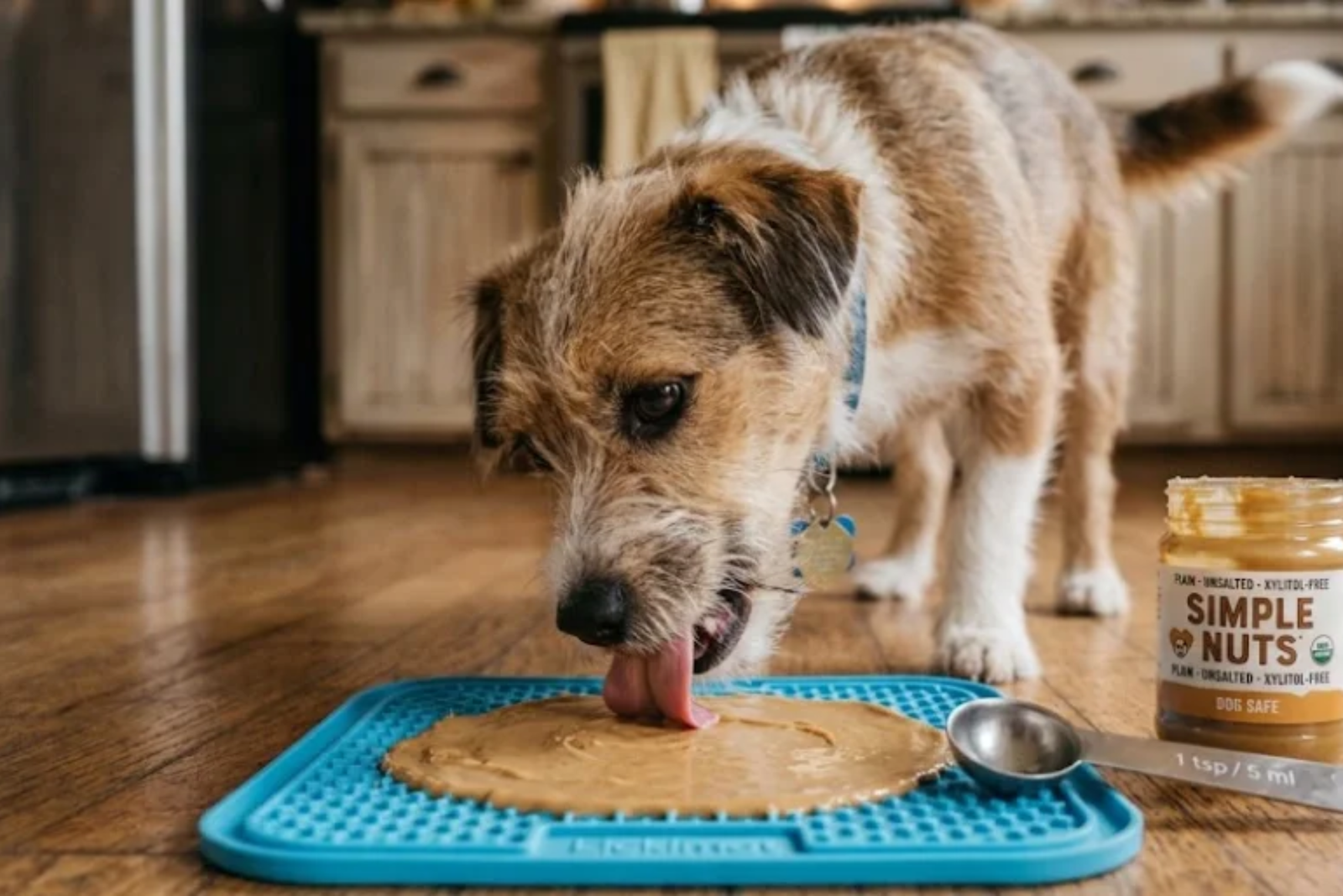
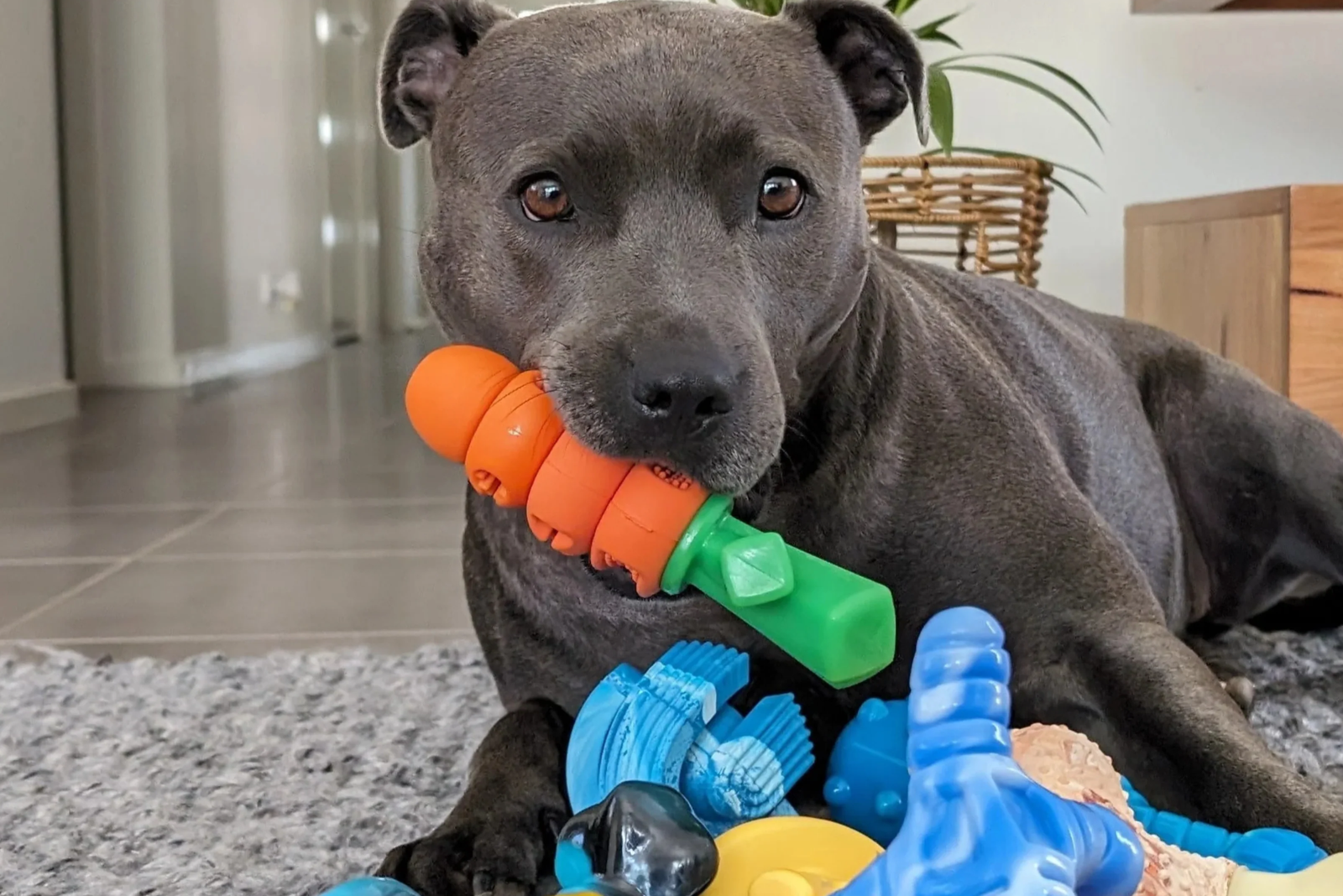
Dogs can learn to associate solitude with pleasant experiences. Food puzzles, suitable chew toys, and stuffed food-dispensing toys can make quiet periods more rewarding.
Offer a special toy shortly before a brief departure. Choose an option your dog enjoys and can use safely without supervision. Remove toys that contain small parts or present choking risks.
For example, a veterinarian-approved food puzzle may keep a relaxed dog occupied while the owner steps outside. However, do not rely on toys alone when a dog experiences severe panic.
Some anxious dogs refuse even their favourite treats when left alone. This can indicate that their distress is too intense for enrichment to work effectively. In such cases, shorten the separation and seek professional guidance.
The goal is to create positive experiences without pushing your dog beyond its comfort level.
3. Build Independence Through Everyday Exercises
Dogs benefit from learning that they can relax without constant physical contact. Independence exercises help them develop this confidence gradually.
Start by encouraging your dog to rest on a comfortable bed while you remain nearby. Reward calm behaviour with gentle praise or a small treat. Gradually increase the distance between you and your dog.
Next, move briefly into another room while your dog remains settled. Return before the dog becomes distressed. Repeat the exercise during ordinary daily activities.
You can also practise short periods of independent relaxation while reading, working, or preparing meals. These activities teach your dog that being apart does not always mean you are leaving permanently.
Avoid forcing your dog to remain isolated for long periods. Independence develops through manageable experiences, not sudden separation.
4. Establish a Calm and Predictable Daily Routine
A predictable routine can reduce uncertainty for anxious dogs. Regular feeding times, walks, play sessions, and rest periods help establish a stable daily pattern.
Before leaving, provide appropriate physical activity and opportunities to explore. A relaxed walk with sniffing opportunities may help your dog settle afterwards. However, exercise alone does not cure separation anxiety.
Allow time for your dog to cool down and relax before practising departures. Avoid overly intense exercise immediately before leaving, particularly in hot weather or for dogs with health limitations.
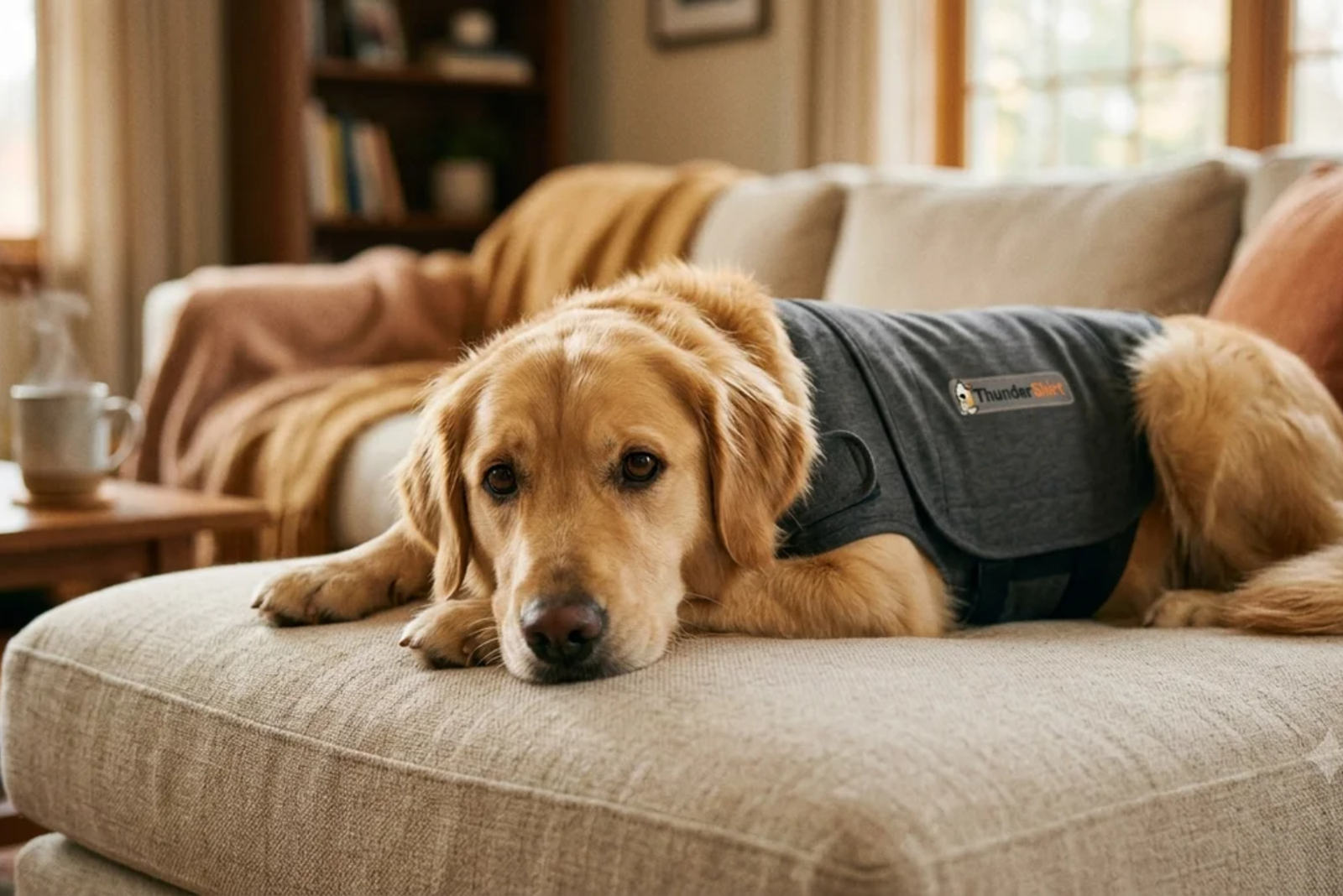
Create a comfortable resting area with familiar bedding and access to fresh water. Some dogs settle better with quiet background sounds, while others prefer a peaceful room.
Observe your dog’s preferences rather than assuming one environment works for every pet. Keep the routine consistent while adjusting it to your dog’s needs.
5. Use Relaxation Training and Professional Support
Relaxation training teaches dogs to settle their bodies and respond calmly to everyday situations. Begin when your dog is already comfortable and not showing signs of anxiety.
Reward behaviours such as lying down, resting the head, or remaining quietly on a bed. Use a consistent verbal cue if helpful. Gradually practise these behaviours in different rooms and during mild distractions.
You can also desensitise your dog to departure signals. Pick up your keys, put on your shoes, or carry your bag without leaving. Repeat these actions until they no longer predict an immediate separation.
For severe cases, consult a veterinarian or a qualified behaviour professional experienced in separation-related problems. A veterinarian may recommend medication alongside a structured behaviour plan when appropriate.
Medication is not a failure. For some dogs, it reduces distress enough to make learning possible. Never give human medication or calming supplements without veterinary advice.
Comparing the Five Calming Solutions
The following table summarises each approach and its primary purpose.
Calming solution | Main benefit | Best starting point |
|---|---|---|
Gradual departure training | Builds tolerance for short absences | Brief, comfortable departures |
Positive associations | Makes alone time more rewarding | Safe food puzzles or chew toys |
Independence exercises | Encourages confident relaxation | Resting on a bed nearby |
Predictable routines | Reduces uncertainty and supports relaxation | Consistent daily activities |
Relaxation training | Develops calm behaviour and supports treatment | Rewarding quiet, relaxed moments |
These approaches work best when combined thoughtfully. Progress depends on your dog’s anxiety level, history, environment, and individual needs.
Mistakes to Avoid When Treating Separation Anxiety
One common mistake is leaving a distressed dog alone for longer periods in the hope that it will eventually adjust. Repeated exposure to overwhelming fear can worsen the problem rather than resolve it.
Punishing destructive behaviour is another harmful approach. A dog that chews a door or soils the floor while alone may be experiencing intense distress. Punishment after returning home cannot teach the dog how to cope safely.
Owners should also avoid making sudden, dramatic increases in training duration. Progress should follow the dog’s behaviour, not a rigid timetable.
Finally, do not assume that every barking or destructive episode indicates separation anxiety. A veterinarian can help rule out pain, urinary problems, cognitive changes, and other possible causes.
How Long Does It Take to Improve Separation Anxiety?
There is no universal recovery timeline. Mild cases may improve with consistent training over several weeks. More severe cases can require months of gradual practice and professional treatment.
Progress is usually measured by the dog’s ability to remain relaxed, rather than simply staying quiet. A dog that stops barking but continues pacing or drooling may still be distressed.
Use a camera to observe your dog’s behaviour during short absences. Record when anxiety begins and whether your dog can settle. These observations help you choose suitable training durations and recognise gradual improvements.
Whenever possible, prevent absences that exceed your dog’s current tolerance during treatment. A trusted caregiver, suitable pet sitter, or help from family may reduce distress while training continues.
Frequently Asked Questions
What are the signs of separation anxiety in dogs?
Common signs include excessive barking, whining, destructive behaviour, pacing, drooling, escape attempts, and indoor accidents during separation. Some dogs become anxious before their owners leave.
These behaviours can have other causes, so persistent or sudden symptoms should be assessed by a veterinarian.
How can I calm my dog with separation anxiety?
Begin with very short absences that do not trigger distress. Combine gradual departure training with positive reinforcement, independence exercises, and a predictable routine.
Provide safe enrichment when appropriate. If your dog panics even during brief separations, seek professional help instead of increasing the duration.
Should I ignore my dog when it cries after I leave?
No. Ignoring severe distress is not a reliable treatment. Instead, adjust training so your dog experiences manageable separations without becoming overwhelmed.
The aim is to teach comfort and confidence, rather than waiting for the dog to stop showing distress.
Can separation anxiety in dogs be cured?
Many dogs improve significantly with appropriate behaviour modification and, when necessary, veterinary treatment. Some dogs may continue to need management and gradual practice.
Early assessment and a personalised treatment plan can improve the chances of success.
Does exercise help dogs with separation anxiety?
Appropriate exercise can support general wellbeing and help some dogs relax. Walks, sniffing activities, and play provide useful physical and mental stimulation.
However, exercise alone does not resolve separation anxiety. Gradual training and addressing the dog’s emotional response remain essential.
Uaestars.ae is a growing online platform that provides useful information, services, and updates related to UAE lifestyle, business, and opportunities. It aims to connect users with reliable resources, helping them stay informed and make better decisions. Whether you are searching for guides, news, or services, uaestars.ae offers a simple and user-friendly experience for everyone. Visit now today.
Conclusion
Separation Anxiety in Dogs: 5 Proven Calming Solutions and Exercises provides a practical starting point for helping dogs feel safer when alone. Gradual departure training, positive associations, independence exercises, predictable routines, and relaxation training can all support progress.
The most important principle is to work within your dog’s comfort level. Avoid punishment, monitor behaviour, and increase separation time gradually. If anxiety remains severe, consult a veterinarian or qualified behaviour professional.
Ready to help your dog feel more confident? Start with one short, positive training session today. Observe your dog’s response, celebrate small improvements, and build a calmer routine one step at a time.